
During Singapore’s haze season, keeping the windows closed is often the first step households take to limit outdoor particles entering the home. Cleaning becomes the next concern: what should you wipe down while the haze lasts, how should you care for curtains and sofas, and what can wait until the air improves?
The most useful approach is to deal with settled dust using damp cleaning methods, then give the areas that need it more attention once outdoor conditions improve. This does not mean washing every fabric or booking a full spring clean after every haze spell. Start with the surfaces you use regularly, consider the materials involved and choose additional help where routine care is not enough.
At Helpling, we offer general home cleaning alongside separate services for curtains, upholstery and aircon care. Knowing which task belongs to which service helps you arrange the right support without treating every haze-related concern as the same cleaning job.
How should you prepare your home before cleaning during haze?
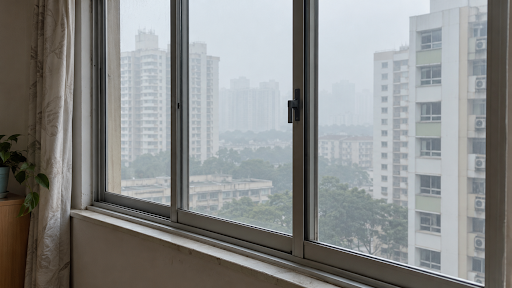
Close doors and windows when outdoor air quality worsens, and reopen them when it improves, as HealthHub advises. Check Helpling’s Singapore haze page for NEA-sourced readings and household guidance. Look at the displayed update time before deciding to ventilate.
Prepare clean soft cloths, a mop and bucket, and cleaning products suitable for your surfaces. Use separate cloths for bathroom work, and follow the care instructions for timber, stone and other sensitive finishes. Keep cleaning products separate; mixing them is not a way to make the clean more effective.
Should you open the windows while cleaning?
Let outdoor air quality guide the decision. Opening windows to air out a freshly cleaned room can allow more outdoor particles in while conditions are poor. If a cleaning product requires ventilation that you cannot provide, postpone that task or choose a suitable alternative in line with its instructions.
What should you clean while the haze lasts?
Focus on accessible surfaces where dust has settled. HealthHub recommends wet-cleaning methods, such as damp wiping and mopping, because they generally do not produce dust in the way dry dusting or vacuuming can.
- Window sills and nearby ledges: wipe the indoor surfaces with a lightly damp cloth where the finish allows it. Fold the cloth to a clean side as it picks up dirt. Stay inside rather than leaning out to reach exterior glass or ledges.
- Tables and frequently used surfaces: move loose items before wiping, then dry the surface if its care instructions require it. Use the recommended amount of cleaning product rather than soaking the area.
- Hard floors: clear clutter and damp-mop with a method suited to the flooring. Replace dirty water so residue does not spread into the next room.
- The entrance: keep outdoor shoes together and clean the mat according to its label. This helps manage everyday dirt brought into the home.
Pay attention to the rooms you use most. If a surface still has visible residue after wiping, use a clean cloth and check that the method suits the finish. A small amount of targeted upkeep is more manageable than repeating a full-home clean whenever haze returns.
Should you vacuum before mopping?
For settled haze dust on hard surfaces, start with damp wiping or mopping where the material permits it. Rugs and upholstery may still need vacuuming, so follow the item’s care instructions and your vacuum’s filtration and maintenance guidance. Avoid shaking dusty cushions or textiles indoors.
How should you care for curtains, sofas and laundry?
Check soft furnishings for visible dirt or a lingering smell before deciding what needs cleaning. Removable covers and bedding can be washed if their labels allow it; follow the specified cycle and drying method, and let them dry fully before putting them back.
For a sofa, identify the fabric and permitted cleaning method before applying water or detergent. If the label is missing, the material is delicate or a smell remains after suitable routine care, our sofa cleaning service can help you explore the appropriate treatment. A photo of the item and its care label is useful when enquiring.
Heavy curtains and dry-clean-only fabrics need a different approach from washable cushion covers. With our curtain cleaning service, you can discuss the fabric, access and whether removal and reinstallation are required. The cleaning method should suit the curtain, rather than assuming that steam or machine washing works for every material.
How should you clean your home after the haze clears?
Once outdoor air quality improves, reopen the windows in line with current guidance and work through one room at a time. Start higher up and finish with the floor so dust disturbed during cleaning does not settle on an area you have already completed.
- Higher accessible surfaces: wipe shelves and cabinet tops you can reach safely. Arrange help for high fans, ceiling fittings and other awkward areas.
- Indoor window areas: clean accessible sills, frames and tracks using a method suitable for their finish. Keep water away from sockets and electrical equipment.
- Furniture: wipe suitable hard surfaces, and follow the manufacturer’s instructions for screens and other electronics.
- Textiles needing attention: clean the covers or other items you identified earlier, following their care labels and avoiding shaking dust through the room.
- Floors: finish with the appropriate floor-cleaning method and allow the area to dry before replacing items.
Check for visible residue and any tasks you could not complete safely. A more thorough spring-cleaning service may suit work beyond routine upkeep, but confirm the scope rather than assuming that curtains, upholstery or appliance interiors are all included.
Does home cleaning include looking after the aircon?
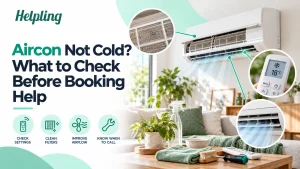
Cleaning accessible room surfaces is different from working inside an aircon unit. For filter care and signs that a unit needs assessment, follow our aircon-care guide for Singapore’s haze.
If the unit is leaking, noisy, displaying an error or cooling poorly, arrange a diagnostic visit through our aircon services. General home cleaning does not diagnose equipment faults or include dismantling the unit.
How can Helpling help with cleaning during haze?
For routine floors, accessible surfaces, kitchens and bathrooms, visit our home cleaning services page and choose the option that suits your home. Tell us which rooms need attention first and mention any access limits or extra tasks before the visit so the work fits the time and scope you book.
Have the required cleaning equipment ready, and check which products are included in your selected service. For curtains, sofas or other specialist work, enquire about the relevant service separately so the method and booking match the item that needs care.
Frequently Asked Questions
How often should I clean my home during haze in Singapore?
Check frequently used areas regularly and clean when dust or residue builds up. Focus on accessible ledges, tables and floors rather than following one fixed schedule for every room. How much cleaning is needed depends on your home, outdoor conditions and the surfaces involved.
Can haze particles still enter when the windows are closed?
Closing windows reduces the rate at which outdoor haze particles enter; it does not make a home airtight. Settled dust may also already be present indoors. Keep following current air-quality guidance and use appropriate cleaning methods for the surfaces that need attention.
Should I wash all my curtains and sofa covers after the haze?
Not automatically. Inspect them for visible dirt or lingering smells, then follow the care labels. Machine-washable covers can be treated differently from heavy curtains or delicate upholstery. If the material or cleaning method is unclear, ask for advice before applying water or detergent.
Can I dry laundry outdoors during haze?
If outdoor air quality is poor, consider an indoor drying arrangement or a dryer where the garment label permits it. Give items enough space to dry fully before folding or storing them. Reconsider outdoor drying once conditions improve.
What should I do if my home still smells smoky after cleaning?
Check whether outdoor conditions have worsened again and whether the smell seems concentrated in a particular fabric or room. Follow the item’s care instructions or enquire about an assessment if it persists. Repeated wet washing or masking the smell with fragrance may not address the source.
Do I need professional cleaning immediately after the haze clears?
Not necessarily. If routine care has left the home in good condition, there is no need to book every specialist service. Professional help is useful when the work exceeds the time, equipment or safe access you have, or when a particular material needs treatment beyond ordinary upkeep.