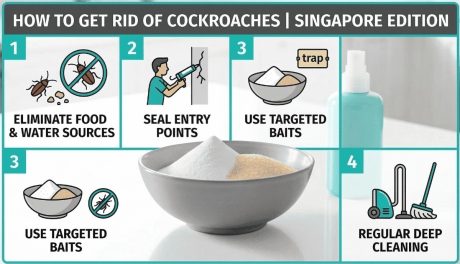
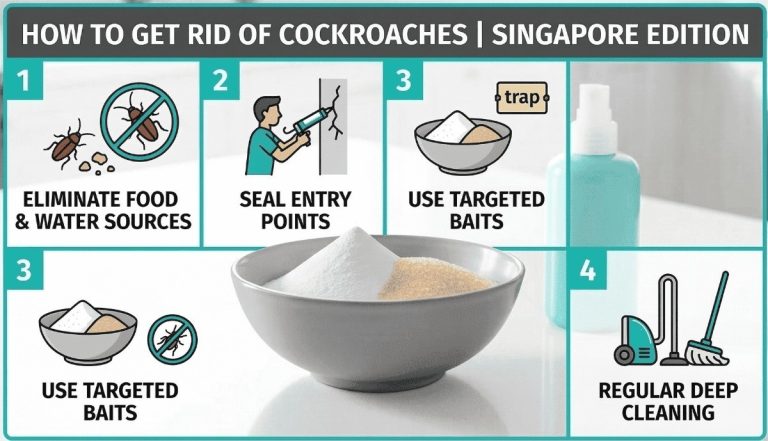
Cockroaches are one of the most common household pests, known for their resilience and ability to thrive in various environments. This comprehensive guide aims to help you identify cockroach hotspots, implement preventive measures, and use effective control methods to rid your home of these unwelcome guests. Additionally, we will introduce you to our professional cleaning services to ensure your home remains cockroach-free with minimal effort on your part.
Why Cockroach Infestations Are So Common in Singapore
A cockroach infestation in Singapore is almost inevitable at some point for most households. Year-round humidity above 80% and temperatures between 25°C and 31°C create ideal breeding conditions that never let up, unlike temperate countries where winter slows cockroach activity.
The wetter monsoon months from November to January push activity even higher as moisture levels rise across the island.
High-rise living makes the problem worse. In HDB flats and condominiums, cockroaches travel freely between units through shared drainage systems, utility risers, and rubbish chutes. A cockroach infestation in one unit can quickly spread to neighbours through pipe junctions and common corridors.
Older HDB blocks with in-unit rubbish chutes are especially vulnerable because worn rubber seals around the hopper allow cockroaches to squeeze through gaps just a few millimetres wide.
The two species responsible for most infestations in Singapore homes are the German cockroach a small, light-brown insect around 13–16mm that breeds explosively in kitchens and bathrooms and the larger American cockroach, the reddish-brown flying variety that typically enters through drains and open windows.
German cockroaches respond well to targeted cleaning and baiting. American cockroaches usually require sealing entry points and addressing building-wide drainage. Knowing which species you are dealing with determines which approach will actually work.
How to Identify Cockroach Hotspots?
Cockroaches are nocturnal creatures that prefer dark, moist, and warm environments. Identifying their hotspots is the first step in effective cockroach control.
- Kitchens: Cockroaches often gravitate towards kitchens because they offer ample food and water sources. They can be found behind appliances like stoves and refrigerators, inside cabinets where food is stored, and under sinks where moisture is prevalent. These areas provide the perfect combination of food, water, and shelter.
- Bathrooms: Bathrooms are another common hotspot for cockroaches due to the constant presence of moisture. Look around drains, sinks, and plumbing fixtures, as these areas can harbor cockroaches. The warm, humid environment of a bathroom is particularly inviting to these pests.
- Basements and Attics: Basements and attics are often less disturbed areas of the home, making them ideal hiding spots for cockroaches. These spaces can accumulate clutter and provide numerous dark corners for roaches to hide. Regular inspections of these areas are crucial.
- Living Areas: In living rooms, dining rooms, and hallways, cockroaches can hide behind furniture, in cracks and crevices, and under carpets. These areas can also provide easy access to food crumbs and spills, which attract cockroaches.
Signs of a cockroach infestation include droppings, egg casings, musty odors, and visible roaches during the day, which usually indicates a severe infestation.
Preventive Measures to Get Rid of Cockroaches
Seal Entry Points
Cockroaches can enter your home through the tiniest of gaps. To prevent their entry, it is essential to seal all potential entry points.
- Gaps Around Pipes, Windows, and Doors: Seal any gaps and cracks around these areas with caulk or weather stripping. Cockroaches can squeeze through incredibly small spaces, so thorough sealing is necessary to block their access.
- Door Sweeps and Screens: Install door sweeps on exterior doors to prevent cockroaches from entering through gaps underneath. Ensure all windows and vents are properly screened to block any potential entry points. These measures help create a barrier that cockroaches cannot easily penetrate.
Remove Food and Water Sources
Cockroaches are attracted to food and water. By removing these sources, you can make your home less inviting.
- Storing Food Properly: Keep food in sealed containers and avoid leaving food out overnight. This includes pet food, which can also attract cockroaches. Proper food storage is essential to deprive cockroaches of a readily available food source.
- Fixing Leaks and Drying Wet Areas: Repair any plumbing leaks and ensure areas prone to moisture are kept dry. Even small amounts of water can sustain cockroaches, so it’s crucial to address any moisture issues promptly. Regularly wipe down wet areas to prevent them from becoming breeding grounds for cockroaches.
Declutter and Clean Regularly
A clutter-free and clean home is less attractive to cockroaches.
- Organizing and Decluttering: Remove unnecessary items, especially cardboard boxes and stacks of papers. These items can provide hiding spots for cockroaches. Organizing your home reduces potential hiding places and makes it easier to spot any cockroach activity.
- Daily Cleaning Tips: Regularly wipe down surfaces, vacuum floors, and take out the trash to eliminate potential food sources. Pay special attention to kitchen countertops, dining areas, and other places where food is prepared and consumed. Consistent cleaning routines help maintain an environment that is less conducive to cockroach infestations.
How to Get Rid of Cockroaches in Your Kitchen Permanently
The kitchen is where most cockroach problems begin and persist. Grease residue, food crumbs, moisture under the sink, and warmth from appliances create the perfect environment. Getting rid of cockroaches in your kitchen permanently requires eliminating what attracts them, not just killing the ones you can see.
Step 1: Deep clean every surface
Start behind the stove and refrigerator pull both out and clean the walls and floor behind them. Grease splatter behind the hob and warmth from the fridge compressor are two of the biggest attractants that homeowners miss. Degrease the cooker hood filter, which accumulates cooking oil that cockroaches feed on. Wipe inside all cabinets, paying attention to shelf liners and hinges where crumbs collect.
Step 2: Eliminate moisture
Fix dripping taps under the kitchen sink immediately. Check for condensation around pipe junctions and wipe dry. A single leaking P-trap provides enough water to sustain a cockroach colony indefinitely. After washing dishes, dry the sink basin and remove any wet sponges a damp sponge sitting on the sink edge overnight is a water source.
Step 3: Seal entry points
Apply silicone caulk around pipe penetrations under the kitchen sink, gaps where the countertop meets the wall, and any cracks along wall-floor junctions. For HDB units with in-kitchen rubbish chutes, ensure the hopper seal is airtight or install a magnetic self-sealing chute door.
Step 4: Place targeted baits
Once the kitchen is clean and sealed, place gel bait inside cabinet hinges, behind the refrigerator, under the sink, and along skirting board corners. With competing food sources removed, cockroaches are forced to consume the bait, which they carry back to the colony.
Step 5: Maintain the routine
Wipe countertops, the stovetop, and the sink dry every evening. Empty the kitchen bin before bed. Sweep under the dining table after meals. Degrease the cooker hood filter monthly. This daily routine of under five minutes is what makes the results permanent.
For a thorough kitchen deep clean that reaches every cockroach-prone zone, Helpling’s hotel-trained professionals follow a 50-point checklist as part of their home cleaning service.
How to Get Rid of Cockroaches at Home Fast (Overnight Methods)
Gel baits (fastest colony kill)
Gel baits are the most effective fast-action treatment. Apply small dots of gel bait roughly the size of a pea inside cabinet hinges, behind the refrigerator, under the kitchen sink, and along pipe junctions in the bathroom. Cockroaches consume the bait and return to the nest, poisoning other colony members through secondary contact. You should notice a significant drop in activity within three to five days, with the colony declining further over two weeks.
Boric acid (kills within 24–72 hours)
Dust a thin, barely visible layer of food-grade boric acid along wall-floor junctions, behind appliances, and inside cabinet corners. Cockroaches walk through the powder and ingest it during grooming. It destroys their digestive system within one to three days. One application stays effective for weeks if the area remains dry.
Baking soda and sugar trap (overnight kill)
Mix equal parts baking soda and sugar in shallow lids and place near suspected activity areas behind the fridge, under the sink, and beside bathroom drains. The sugar attracts cockroaches and the baking soda reacts with their stomach acids, killing them within hours of ingestion.
Combine with a blitz clean
Any overnight treatment works dramatically better when paired with a thorough clean the same evening. Wipe every kitchen surface, remove all food from counters, mop floors, and dry the sink. With zero competing food sources, cockroaches are forced toward your baits and powders instead.
How to Get Rid of Cockroaches in Your Car
Finding cockroaches in your car is more common in Singapore than most people realise. Cars parked near HDB rubbish chute areas, hawker centres, or open drains are particularly vulnerable. Cockroaches enter through tiny gaps around door seals, air vents, and drainage holes in the floor pan, attracted by food crumbs trapped between seats and under floor mats.
Step 1: Remove all food sources
Start with a complete interior clean. Remove floor mats and vacuum every surface thoroughly under seats, between seat cushions, inside door pockets, and in the boot. Food wrappers, crumbs, and sweet drink spills lodged in seat track rails are the primary attractants. Wipe all hard surfaces with a damp cloth to remove sticky residue.
Step 2: Place gel bait strategically
Apply small dots of cockroach gel bait in hidden areas under the dashboard, inside the glove compartment corners, beneath seats, and along the edges of the boot lining. Gel baits work well in cars because they attract cockroaches in enclosed spaces without the mess or fumes of sprays.
Step 3: Use sticky traps to monitor
Place two to three cockroach sticky traps under the front seats and in the boot. These help capture active cockroaches and indicate whether the problem is resolved after a few days.
Step 4: Prevent reinfestation
Avoid eating in the car whenever possible. If you do, clean crumbs immediately. Park away from rubbish chute areas and open drains when you can. Keep windows fully closed when parked overnight. If the infestation is severe multiple cockroaches or visible egg cases consider professional car fumigation, which uses a CO2-based dry treatment to penetrate hard-to-reach areas without leaving residue.
Room-by-Room Prevention Checklist
Getting rid of cockroaches at home permanently means tackling every room where they find food, water, or shelter. Use this checklist as a weekly routine.
Kitchen (daily + monthly deep clean)
Wipe countertops, stovetop, and sink dry every evening. Empty the bin before bed. Bag food waste tightly before disposal. Monthly: pull out the fridge and clean behind it, degrease the cooker hood filter, wipe inside all cabinets, and scrub the area around and under the kitchen sink.
Bathroom (twice weekly + fortnightly deep clean)
Fix dripping taps and leaking pipes immediately cockroaches survive weeks without food but only days without water. Scrub drain covers and floor traps fortnightly to remove biofilm and organic buildup. Run the exhaust fan after every shower to reduce humidity. Check the water seal in floor traps weekly; a dry trap is a direct highway from the drain into your home.
Living areas and bedrooms (weekly)
Vacuum under sofas, beds, and behind furniture. Replace cardboard storage boxes with airtight plastic containers. Remove stacks of newspapers, magazines, and unused items that create dark hiding spots.
HDB rubbish chute area
Wipe the chute flap and surrounding wall weekly with diluted vinegar. Inspect the hopper seal for cracks or warping. On fumigation days, tape the hopper shut and cover all floor traps.
For a comprehensive clean that covers every one of these zones, Helpling’s deep cleaning services reach behind appliances, inside cabinets, and under sinks, the areas regular cleaning typically misses.
How to Cockroach-Proof Your HDB, Condo, or Landed Home
HDB Flats
The in-unit rubbish chute in older blocks is the primary entry point. Worn rubber seals and gaps around pipe penetrations let cockroaches through. Keep floor traps covered during estate fumigation cockroaches flee upward through pipes to escape chemicals. Seal gaps around utility pipes under the kitchen sink with silicone caulk. Lower-floor units near the centralised bin should apply residual insecticide around door frames and window tracks.
Private Condominiums
Sliding door tracks, window frames, and balcony drainage points are common entry points. Keep potted plants away from doorways, they harbour cockroaches underneath. Request that condo management schedules regular pest treatment for bin rooms and common corridors.
Landed Properties
Gardens, outdoor drains, and storage areas provide harbourage for American cockroaches. Install mesh screens on floor drains, outdoor vents, and subfloor openings. Keep garden debris and woodpiles away from exterior walls. A quarterly perimeter spray by a licensed pest control operator creates an effective barrier.
What are the Critical Cockroach Control Methods?
Natural Remedies
For those who prefer a chemical-free approach, several natural remedies can effectively control cockroaches.
- Diatomaceous Earth and Boric Acid: Sprinkle these powders in areas where cockroaches are likely to travel. They are abrasive and can dehydrate and kill roaches. Diatomaceous earth works by damaging the exoskeleton of the cockroach, leading to dehydration. Boric acid, on the other hand, is a slow-acting poison that disrupts the digestive system of cockroaches.
- Baking Soda and Sugar Bait Mixture: Mix equal parts of baking soda and sugar and place the mixture in shallow dishes. The sugar attracts the cockroaches, and the baking soda kills them by reacting with the acids in their digestive system. This simple yet effective mixture can significantly reduce the cockroach population in your home.
Chemical Treatments
For more severe infestations, chemical treatments may be necessary.
- Insecticide Sprays and Baits: Use sprays for immediate results and baits for long-term control. Baits attract cockroaches, which then carry the poison back to their nests. This method helps eliminate the colony over time. Insecticide sprays can provide a quick knockdown of visible roaches, but should be used cautiously around food preparation areas.
- Gel Baits for Inaccessible Areas: Apply gel baits in cracks and crevices where sprays might not reach. Gel baits are highly effective in targeting cockroaches in hard-to-reach places, ensuring comprehensive control. They are particularly useful in areas such as behind appliances and inside cabinets where traditional sprays may not be practical.
Targeted Treatments for Each Area
Bathroom
- Drains, Sinks, Plumbing Fixtures: Use gel baits around drains and sinks and ensure plumbing fixtures are sealed. Cockroaches often use these areas to access water, so treating them effectively can disrupt their access to moisture.
Kitchen
- Behind Appliances, Inside Cabinets, Under Sink: Apply baits and sprays in these areas, keeping them out of reach of children and pets. The kitchen is a primary target for cockroach infestations due to the abundance of food sources, so thorough treatment is essential.
Living Room, Dining Room, Hallway
- Sealing Cracks, Removing Clutter, Vacuuming: Seal any visible cracks, keep these areas free of clutter, and vacuum regularly to remove any food particles or egg casings. Regular maintenance in these high-traffic areas helps prevent cockroach infestations from spreading.
How to Ensure Pet and Child Safety?
When dealing with cockroach control, safety is paramount, especially if you have pets or children.
Opt for pet-safe and child-safe products, clearly labeled as such. Always read labels and choose products that are specifically designed to be safe around children and pets. These products typically use less toxic ingredients or mechanisms that are harmless to non-target species.
Place baits and traps in areas that are inaccessible to pets and children, such as behind appliances or inside cabinets. Ensuring that treatments are kept out of reach helps prevent accidental ingestion or contact.
When to Call a Professional
DIY methods handle mild to moderate problems effectively, but certain signs mean you need professional help.
Call a licensed pest control company if you regularly see cockroaches during the day, this signals a large colony where competition for space forces them into the open. Other warning signs include finding multiple egg cases (small brown capsules containing 20+ eggs each), a persistent musty odour inside cabinets, and droppings resembling dark pepper flakes along skirting boards and inside drawers.
Professional treatment typically involves a site inspection to identify the species and source, followed by gel baiting in cracks and crevices, residual spray along wall-floor junctions, and monitoring traps to track progress. For severe infestations in shared-wall HDB situations, monthly follow-ups may be needed.
FAQs about Cockroach Control
Q: Why do I keep seeing cockroaches even though my house is clean?
A clean home significantly reduces cockroach activity, but high-rise living in Singapore means infestations can originate externally. Cockroaches travel between units through shared drainage systems, utility risers, and rubbish chutes. Even spotless homes receive cockroaches from neighbouring units, the centralised bin area, or building drains.
Focus on sealing entry points caulk gaps around pipes under the kitchen sink, ensure your rubbish chute hopper has a tight seal, and keep floor traps filled with water to block drain access. If the problem continues despite these steps, the source is likely building-wide, and pest treatment through your Town Council or condo management is the next step.
Q: What is the fastest way to get rid of cockroaches at home?
Gel bait is the fastest effective method. Place small dots behind the refrigerator, inside cabinet hinges, under the kitchen sink, and along bathroom pipe junctions. Cockroaches consume the bait and carry poison back to the colony through secondary contact. You should see a noticeable reduction within three to five days.
For overnight results, combine gel bait with boric acid powder along wall-floor junctions and a thorough kitchen clean the same evening to remove competing food sources. This forces cockroaches toward your treatments rather than leftover food.
Q: How often should I clean my home to prevent cockroaches?
Daily: wipe kitchen surfaces, stovetop, and sink dry every evening. Empty the kitchen bin before bed. Sweep under the dining table after meals. Weekly: vacuum under furniture, mop floors, scrub bathroom drains.
Monthly: pull out the refrigerator and clean behind it, degrease the cooker hood filter, wipe inside kitchen cabinets. Quarterly: schedule a professional spring cleaning or standard cleaning package that reaches behind built-in appliances, inside air-con units, and deep within wardrobe interiors. This layered routine removes the food and moisture cockroaches rely on at every level.
Q: Are cockroaches in Singapore dangerous to health?
Yes. Cockroaches carry bacteria including Salmonella and E. coli that cause food poisoning, diarrhoea, and gastrointestinal infections when they crawl over food surfaces and utensils. Their droppings, shed skin, and saliva contain allergens that trigger asthma attacks, skin rashes, and respiratory issues, particularly in young children.
The National Environment Agency in Singapore can fine or shut down commercial food establishments with cockroach infestations. For households, the primary risk is kitchen surface contamination, making regular kitchen cleaning your most important defence.
Q: How do I stop cockroaches coming through my HDB rubbish chute?
Inspect the rubber seal around the chute hopper, if cracked, warped, or no longer flush, cockroaches squeeze through the gaps. Contact your Town Council for a replacement or upgrade to a magnetic self-sealing chute door.
Clean the chute flap weekly with diluted vinegar. Double-bag food waste, especially fish bones and prawn shells, before disposal. On fumigation days, tape the hopper shut and cover all floor traps to prevent cockroaches fleeing upward into your unit. For persistent chute-related problems, pest control services can apply targeted treatment around the chute area and pipe junctions.
Q: Does boric acid really work on cockroaches?
Boric acid is one of the most effective DIY cockroach treatments available. Cockroaches walk through the powder, which clings to their legs, and ingest it during grooming. It destroys their digestive and nervous systems within one to three days.
Research shows boric acid outperforms many retail sprays because cockroaches cannot detect or avoid it, and it remains effective for weeks as long as the area stays dry. Apply a barely visible layer along wall-floor junctions, behind appliances, and inside cabinet corners. Avoid thick mounds cockroaches walk around them. Keep away from food surfaces and out of reach of children and pets.
Q: Can cockroaches live inside sofas and mattresses?
In severe infestations, yes. German cockroaches are small enough to hide in sofa cushion seams, behind headboards, and inside wardrobe hinges. If you notice droppings or a musty smell near furniture, vacuum all crevices and seams thoroughly.
For embedded cockroach allergens, shed skin, and egg cases, professional upholstery cleaning reaches deep into fabric that regular vacuuming misses. Reducing clutter around and under furniture removes the dark, undisturbed environments cockroaches prefer during the day.
Q: Should I deep clean before or after pest control treatment?
Always clean before. Pest control operators recommend thorough cleaning prior to treatment because removing food residue, grease, and clutter forces cockroaches to consume the bait instead of competing food sources. Clean behind all kitchen appliances, degrease the cooker hood, wipe inside cabinets, and remove cardboard clutter. After treatment, avoid washing treated surfaces for at least two months to preserve the residual insecticide barrier. If you need pest treatment alongside a move out cleaning, schedule the clean first, then pest control, so both work together for maximum effect.