Whether you are looking for a comprehensive ceiling solution or a simple false ceiling design, our ceiling contractors have the expertise and experience to deliver quality ceiling works for your home or office space.
What Is False Ceiling and How Does It Work
A false ceiling is a secondary ceiling installed 4-12 inches below your original structural ceiling, creating a concealed cavity between both surfaces. Metal channels or wooden battens suspend from the main ceiling, supporting false ceiling board panels that form the visible surface.
This hidden space serves multiple practical purposes in Singapore homes. Electrical wiring, aircon ducting, water pipes, and structural beams disappear from view. Recessed lighting integrates seamlessly without surface-mounted fixtures. The air gap provides thermal insulation, reducing aircon workload in our tropical climate.
Beyond functionality, false ceiling design Singapore options transform ordinary rooms into sophisticated spaces. From minimalist flat ceilings to elaborate coffered patterns, these installations add architectural character that painted concrete simply cannot achieve.
False Ceiling Materials
Choosing the right false ceiling material determines durability, maintenance requirements, and final appearance. Each false ceiling materials option suits different rooms and budgets.
Gypsum Board: The most popular false ceiling board choice in Singapore. Gypsum offers excellent fire resistance, accepts any paint colour, and creates seamless surfaces without visible joints. Lightweight yet sturdy, gypsum false ceiling board panels work well for living rooms, bedrooms, and dining areas where aesthetics matter most.
PVC Panels: Waterproof false ceiling material ideal for bathrooms and kitchens. PVC resists Singapore’s humidity without warping or mould growth. Installation costs less than gypsum, making it budget-friendly for utility areas. However, visible panel joints create a less refined appearance than seamless gypsum ceilings.
Mineral Fibre Tiles: Acoustic false ceiling materials designed for sound absorption. Home theatres, music rooms, and study areas benefit from reduced echo and noise transmission. These tiles slot into suspended grid systems, allowing easy removal for maintenance access practical for rooms with extensive above-ceiling utilities.
Metal Panels: Aluminium or steel false ceiling board options deliver exceptional durability and fire resistance. Commercial spaces favour metal for longevity, though contemporary residential designs increasingly incorporate metal ceilings for industrial aesthetics in open-concept living areas.
Wooden Panels: Natural warmth that synthetic false ceiling materials cannot replicate. However, Singapore’s humidity demands proper moisture treatment and termite protection. Maintenance costs exceed other options, making wood best suited for feature sections rather than entire ceilings.
Benefits of False Ceilings
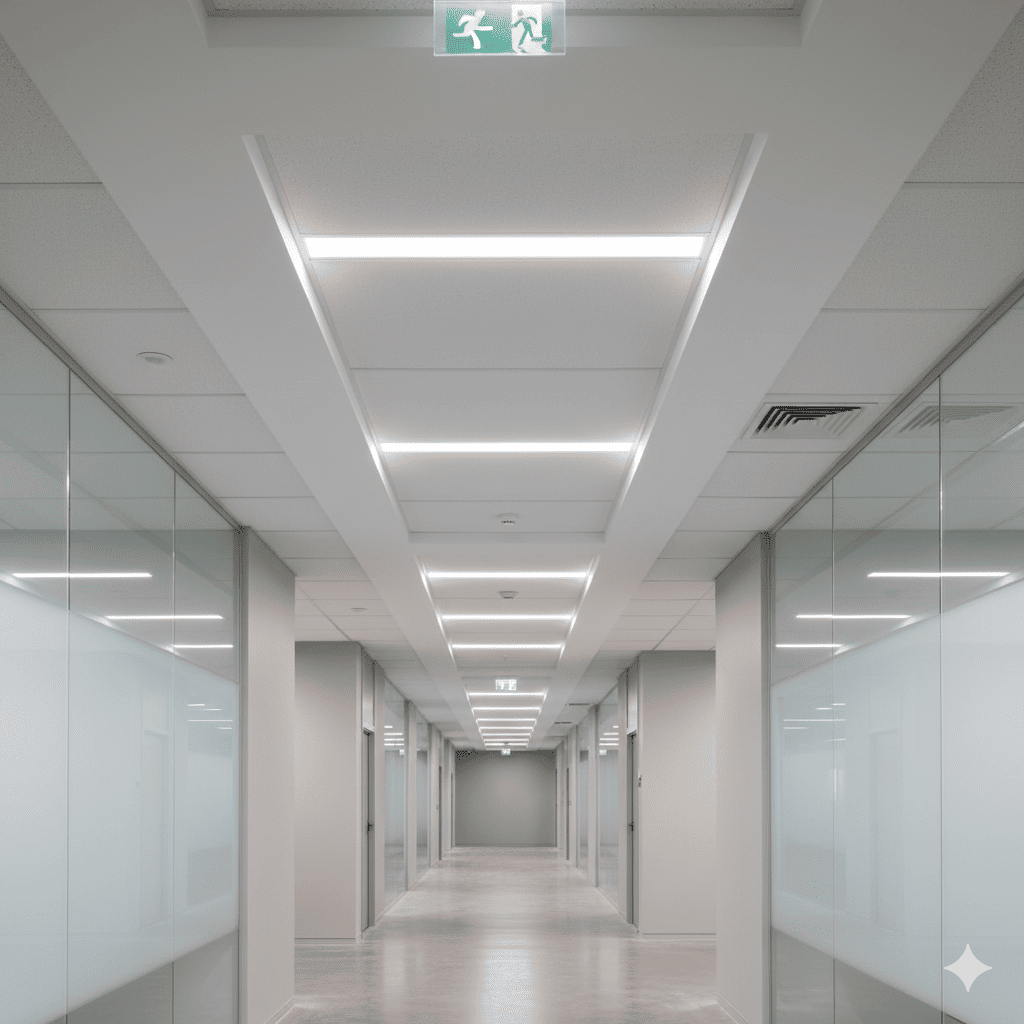
Here are some of the benefits of installing a false ceiling in your home or office
Enhanced Aesthetics and Design Flexibility: False ceilings offer unlimited design possibilities to elevate your interior décor. You can create layered designs, incorporate cove lighting, or add textured panels that complement your overall theme. They’re particularly effective in making rooms feel more sophisticated and finished.
Conceals Unsightly Elements: One of the primary advantages is hiding electrical conduits, plumbing pipes, AC ducts, and structural imperfections. This creates a clean, streamlined look without the need for extensive renovations to the original ceiling.
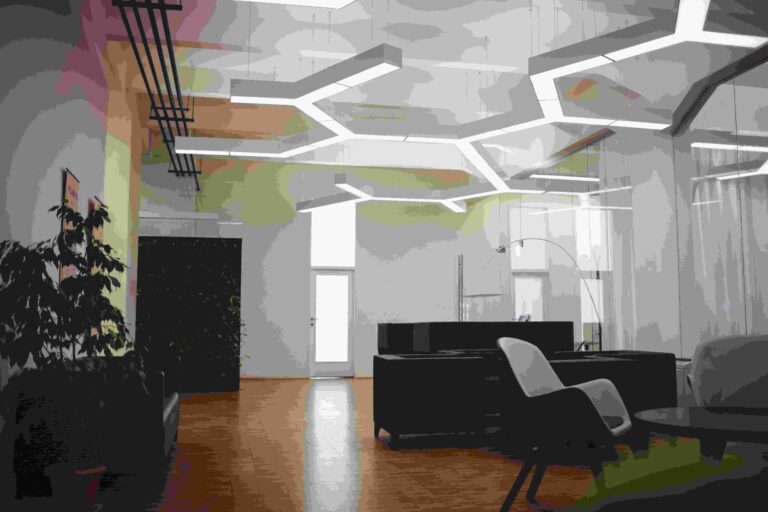
Improved Lighting Options: False ceilings are perfect for installing recessed downlights, LED strips, and spotlights. The ability to integrate lighting seamlessly creates ambient, task, or accent lighting that enhances the room’s functionality and mood.
Better Acoustics: Certain false ceiling materials, particularly acoustic tiles and fabric panels, absorb sound effectively. This reduces echo and noise levels, making spaces more comfortable—especially important in Singapore’s high-density housing where sound insulation matters.
Enhanced Insulation: The air gap between the false ceiling and the original ceiling acts as thermal insulation, helping to keep rooms cooler. This can reduce air conditioning costs, which is particularly beneficial in Singapore’s tropical climate.
Easier Maintenance Access: With removable panels or access hatches, false ceilings provide convenient access to electrical systems, plumbing, and AC units for repairs and maintenance without damaging the ceiling structure.
Potential Disadvantages of a False Ceiling
Reduced Room Height: The most significant drawback is losing 4-12 inches of ceiling height. In standard HDB flats with 2.6-2.7m ceiling heights, this reduction can make rooms feel cramped. It’s crucial to consider whether your space can afford this height loss.
Higher Initial Investment: False ceilings require substantial upfront costs, ranging from $500 to $2,000+ depending on materials, room size, and design complexity. This adds to your renovation budget significantly.
Maintenance Challenges: While access is easier, damage to false ceilings—such as water stains from leaks, cracks, or sagging—can be costly to repair. Regular inspections are necessary to prevent deterioration.
Moisture and Mold Issues: In Singapore’s humid climate, the space above false ceilings can trap moisture, leading to mold growth and material degradation. Proper ventilation and moisture-resistant materials are essential.
Pest Concerns: The hidden cavity can become a haven for pests like rats, cockroaches, and lizards. Ensuring proper sealing and regular pest control becomes important.
Difficult Renovations: If you want to change your ceiling design later or access hidden utilities frequently, removing and reinstalling panels can be time-consuming and expensive.
Types of False Ceilings
Simple/Flat False Ceiling: The most basic and cost-effective design featuring a single flat level suspended below the main ceiling. Ideal for modern minimalist interiors and rooms with moderate ceiling heights.
Layered/Tiered False Ceiling: Features multiple levels at different heights, creating depth and visual interest. Popular for living rooms where you want to define different functional areas or create a focal point.
Cove Ceiling: Incorporates a recessed ledge or trough around the room’s perimeter, perfect for installing concealed LED strip lighting. This creates an elegant ambient glow and makes rooms appear larger.
Coffered Ceiling: Features a grid pattern with recessed square or rectangular panels, creating a sophisticated, traditional look. Often seen in dining rooms and master bedrooms of larger homes.
Suspended Grid Ceiling: Uses a visible metal grid system holding removable tiles—common in commercial spaces but also practical for home offices or utility areas where frequent access is needed.
Gypsum Board Ceiling: Smooth, seamless ceilings created with gypsum boards fixed to a metal or wooden framework. Highly versatile and can be painted, textured, or incorporated into custom designs.
Best Room to Put False Ceiling
False ceilings can be installed in any room of the house, but they are most commonly installed in living rooms and bedrooms.
Living Room

A false ceiling in the living room can help to create a more pleasant and inviting space. A certain ambience or mood in the room.
Bed Room
A false ceiling in the bedroom can help to improve the acoustics of the room and make it more comfortable to stay in. It can also be used to create a more spacious look for the room by reflecting light from the ceiling.
False Ceiling Installation
False ceiling panels can be attached to metal furring strips using screws or nails. Alternatively, they can be glued or taped to the ceiling using adhesive. If you are not confident in your ability to install a false ceiling, you should seek professional handyman help.
False Ceiling Service and Maintenance
Once a false ceiling has been installed, it is important to regularly check the ceiling for signs of damage. If you notice any cracks or holes in the ceiling, you should repair them as soon as possible to prevent further damage.
It is also important to regularly dust the ceiling and vacuum the area beneath the ceiling to remove any build-up of dust or debris. You can solve this problem quickly by contacting a cleaning service.
False Ceiling Price Singapore: Current Market Rates
Understanding false ceiling cost Singapore ranges helps budget accurately for renovation projects.
False ceiling price varies based on material choice, room size, and design complexity:
| Material / Design | Price Range (per sq ft) |
|---|---|
| Simple gypsum flat ceiling | $5–$8 |
| Layered gypsum false ceiling | $8–$12 |
| PVC panel ceiling | $4–$6 |
| Cove ceiling with lighting | $10–$15 |
| Coffered false ceiling | $12–$18 |
Complete room estimates:
A standard HDB bedroom (100 sq ft) with simple gypsum false ceiling costs $500-$800 including installation. Living rooms (200-300 sq ft) with layered designs range $1,600-$3,600. Elaborate false ceiling design Singapore installations in larger condos or landed properties can exceed $5,000.
Factors affecting false ceiling cost:
Height and accessibility: Higher original ceilings require longer suspension systems and more challenging installation, increasing labour costs.
Electrical integration: Recessed lighting, speakers, and smoke detectors add $50-$150 per point depending on complexity.
Design complexity: Curved sections, multiple levels, and intricate patterns require skilled craftsmanship that commands premium false ceiling price rates.
Material quality: Fire-rated gypsum, moisture-resistant variants, and premium finishes cost more than standard false ceiling board options.
Alternatives to False Ceilings
Exposed Ceiling Design: Embrace the industrial look by leaving the original ceiling visible, painting pipes and ducts in coordinating colors. This works well in loft-style homes or modern minimalist spaces and saves costs while maintaining full ceiling height.
Ceiling Paint and Wallpaper: Simply painting your existing ceiling in attractive colors or applying ceiling wallpaper can refresh the space without height loss. Dark colors create intimacy, while light shades make rooms feel spacious.
Decorative Beams: Install faux wooden beams to add character and conceal wiring or pipes along specific paths. This provides a rustic or traditional aesthetic without covering the entire ceiling.
Ceiling Panels or Tiles: Apply decorative panels or tiles directly to the existing ceiling without creating a drop. Options include PVC panels, wooden planks, or tin tiles that add texture and interest.
Strategic Lighting Solutions: Instead of recessed lights requiring a false ceiling, use track lighting, pendant lights, or surface-mounted fixtures that don’t require ceiling modifications.
False ceilings have many purposes. They can also be used to improve the aesthetics or acoustics of a room, create a more spacious look, or cover up unsightly features. For more tips and advice on home improvement projects, be sure to check out our New Homeowner’s Guide to Renovating Your Home.
If you are considering installing a false ceiling, you may want to call our professional handyman to get an estimate. Our ceiling works services are relatively affordable and of high quality. Contact us today to learn more about our ceiling services!
What are false ceiling products made of?
False ceilings can be made from various materials:
Gypsum Board is the most popular in Singapore lightweight, fire-resistant, and can be painted any color for seamless custom designs.
Plasterboard/Drywall offers good fire resistance and sound insulation at an affordable price.
Mineral Fiber/Acoustic Tiles are designed for sound absorption, perfect for home theaters.
PVC Panels are waterproof and budget-friendly, suitable for bathrooms and kitchens.
Metal Panels (aluminum or steel) are extremely durable and fire-resistant.
Wooden Panels create warm aesthetics but need moisture and termite treatment in Singapore’s climate.
Which Rooms Benefit Most from False Ceilings
Living rooms: Layered false ceiling design Singapore configurations define functional zones, incorporate ambient lighting, and conceal aircon ducting elegantly.
Bedrooms: Cove ceilings create relaxing atmospheres through indirect lighting. Box configurations around room perimeters maintain central height while hiding aircon pipes.
Bathrooms: Waterproof PVC false ceiling materials resist humidity damage while concealing water heater piping and exhaust ducting.
Kitchens: False ceilings hide range hood exhaust ducts and provide positions for task lighting over preparation areas.
Professional Installation Matters
False ceiling installation requires precise levelling, proper framework anchoring, and seamless joint finishing. DIY attempts frequently result in sagging panels, visible seams, and inadequate support for lighting fixtures.
Helpling’s handyman services connect you with experienced ceiling contractors who assess your space, recommend appropriate false ceiling materials, and deliver quality installations. After completion, our cleaning services handle post-renovation cleanup, removing construction dust from your newly transformed space.
FAQs
What are false ceiling products made of?
Ans: False ceilings can be made from various materials:
Gypsum Board is the most popular in Singapore lightweight, fire-resistant, and can be painted any color for seamless custom designs.
Plasterboard/Drywall offers good fire resistance and sound insulation at an affordable price.
Mineral Fiber/Acoustic Tiles are designed for sound absorption, perfect for home theaters.
PVC Panels are waterproof and budget-friendly, suitable for bathrooms and kitchens.
Metal Panels (aluminum or steel) are extremely durable and fire-resistant.
Wooden Panels create warm aesthetics but need moisture and termite treatment in Singapore’s climate.
How is a false ceiling constructed and how long does it take?
Ans: Construction follows these steps: First, contractors measure and mark the ceiling level. Then, a metal or wooden framework is fixed to the original ceiling using suspension wires and leveled precisely. Electricians run wiring for lights before panels are installed.
Finally, ceiling boards are attached, joints are sealed, and surfaces are finished with paint.
A simple bedroom ceiling takes 3-4 days. Larger rooms with complex designs require 5-7 days, while elaborate living room installations can take up to 10 days.
Can false ceiling be installed in wet places, such as the kitchen and bathroom? If so, what measures should we take?
Ans: Yes, but with special precautions: Use moisture-resistant materials like PVC panels, treated gypsum, or metal. Apply waterproofing to the framework and seal all joints properly.
Install exhaust fans for adequate ventilation to prevent moisture buildup. Add access panels for regular inspection.
Consider a slight slope in bathrooms to prevent water pooling. Inspect quarterly for mold, discoloration, or damage and address issues immediately. With proper materials and installation, false ceilings work well in wet areas.
About Helpling
Helpling is a super app for household services. As a home service company, we work with, and train cleaning professionals to provide a wide range of services such as home cleaning service, aircon service, carpet cleaning, and mattress cleaning.
Beyond that, we also provide solutions for other household needs such as handyman, plumbing, and gardening service, all of which can be seamlessly and efficiently booked through our app or, for existing customers, via their personal Home Advisors.
Helpling’s professional cleaners are top-rated, thoughtful and thorough which give you the confidence and assurance you need so that you can focus on your priorities.
Helpling – A world of household services, just one click away.
New to Helpling? Book now to enjoy $20 off your first clean!
Follow Helpling’s social media channels such as Facebook and Instagram for more content and tips.