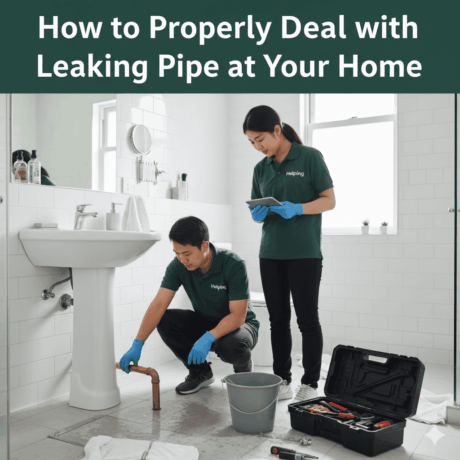
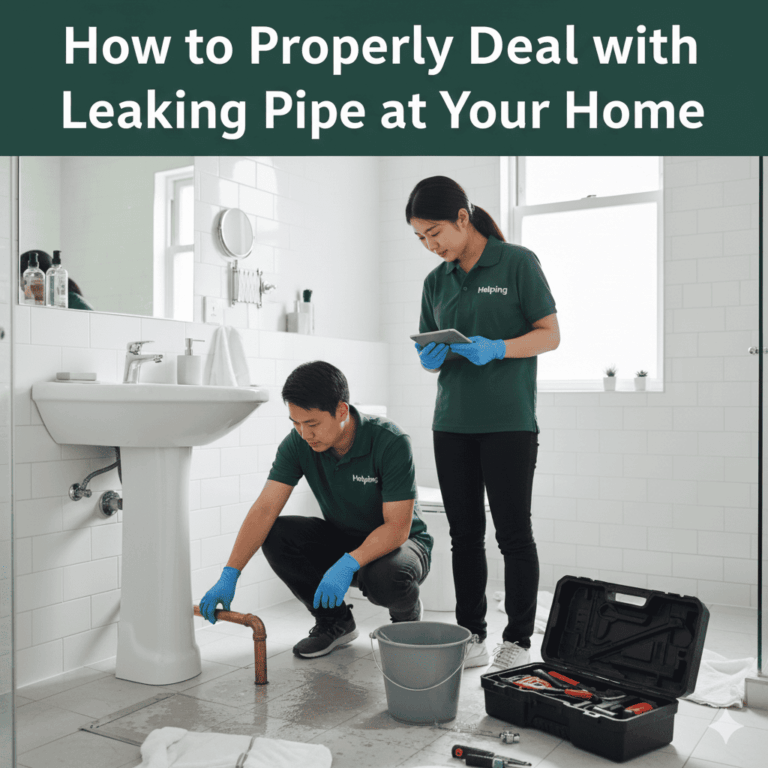
If you have leaking pipes, it’s important to get them fixed as soon as possible. Water damage can be costly and cause serious problems to your home. A leaking pipe can also lead to mould growth, which can be dangerous for your health. If you encounter leaking pipe(s), Call a professional plumber to fix them and avoid further damage to your home.
Sign of Leaking Pipes
There are several signs that you may have a leaking pipe. One of the most common is water stains on your ceiling or walls. If you see water stains, it’s important to check for leaks as soon as possible. Another sign of a leak is increased water bills. If your water bill is higher than usual, it could be because you’re losing water through a leak. You might also hear dripping or rushing sounds coming from your pipes. These are all signs that you have a leaking pipe and should call a professional plumber to fix the problem.
How to Fix a Leaking Pipe
Fixing a leaking pipe requires quick action to prevent water damage. These methods are temporary solutions you can use at home until a professional plumber arrives. If one method doesn’t stop the leak, try another.
Remember, these are emergency fixes always call the plumbing experts at Helpling for permanent repairs. We specialize in fixing stubborn pipe leaks and preventing further damage.
1. Turn Off the Water Supply:
The absolute first step before anything else! Locate your main water shut-off valve, it’s usually under the kitchen sink, in the bathroom, or near your water meter. Turn it clockwise to stop water flow to the leaking pipe. This prevents further flooding and gives you time to assess the damage. If you can’t find the main valve, shut off the water supply to the specific fixture (toilet, sink, or washing machine) that’s leaking. Don’t skip this step every second counts when water is gushing out.
2. Epoxy Putty:
This is your emergency plumbing hero! Epoxy putty is a two-part compound that hardens when mixed, creating a waterproof seal. First, dry the leaking area thoroughly with a towel the putty won’t stick to wet surfaces. Knead equal parts of the putty together until it’s uniform in color. Press it firmly over the leak, molding it around the pipe. Smooth it out and let it cure for the time specified on the package (usually 10-30 minutes). This creates a temporary seal that can last several days until professional help arrives.
3. Pipe Repair Tape (Self-Fusing Silicone Tape):
Quick, effective, and mess-free! Self-fusing silicone tape bonds to itself to create a watertight seal. First, turn off the water and dry the pipe completely. Starting about 3 inches before the leak, wrap the tape tightly around the pipe, stretching it as you go. Overlap each layer by about half the tape’s width. Continue wrapping until you’ve covered the leak and extended about 3 inches past it. The tape will fuse together and create a strong, flexible seal within minutes. Keep wrapping until you’ve built up several layers for maximum strength.
4. Rubber Patch & Hose Clamp:
MacGyver-style ingenuity at its finest! Cut a piece of rubber (from an old bicycle inner tube, rubber glove, or even a piece of garden hose) large enough to cover the leak plus 2-3 inches on either side. Wrap the rubber patch tightly around the damaged area. Secure it with a hose clamp (or multiple clamps for larger leaks), positioning the clamp directly over the leak. Tighten the clamp with a screwdriver until the rubber compresses against the pipe and stops the leak. This method works brilliantly for small to medium leaks and can hold for several days.
5. Pipe Repair Clamp:
The professional temporary fix! Pipe repair clamps (available at hardware stores) are specifically designed for this purpose. They consist of a rubber gasket and a metal clamp. First, ensure the pipe is dry. Open the clamp and position the rubber gasket directly over the leak. Close the clamp around the pipe and tighten the screws or bolts evenly on both sides. The rubber gasket compresses against the pipe, creating a watertight seal. This solution can last weeks or even months, but remember it’s still temporary. Get a permanent repair scheduled soon.
6. Waterproof Tape (Plumber’s Tape):
For pinhole leaks and minor seepage, waterproof tape is your friend. Clean and completely dry the leaking area first this is crucial. Starting several inches before the leak, wrap the tape tightly around the pipe, stretching it slightly as you wind. Overlap each wrap by half, creating multiple layers. Continue past the leak for a few inches. Press firmly to ensure good adhesion. While not as strong as epoxy or clamps, this method can handle small leaks temporarily and is perfect when you need a quick fix at 2 AM.
7. Pipe Repair Compound/Paste:
Think of this as liquid metal for your pipes! Pipe repair compounds are paste-like substances that harden to create a durable seal. Turn off the water and thoroughly clean and dry the leak area remove any rust, scale, or debris with sandpaper. Apply the compound generously over and around the leak, following the manufacturer’s instructions. Some compounds require mixing, while others come ready to use. Shape it smoothly and let it cure completely (usually 1-2 hours). This creates a rock-hard patch that can withstand water pressure until proper repairs are made.
8. Compression Fitting Replacement:
If the leak is at a joint or connection, you might have a faulty compression fitting. These are the threaded connections where pipes meet. Turn off the water supply first. Use two wrenches, one to hold the pipe steady and another to loosen the compression nut. Remove the old fitting and check the ferrule (the small ring inside). If it’s damaged, replace it. Clean the pipe threads, apply plumber’s tape, and install a new compression fitting. Tighten it firmly but don’t over-tighten, which can crack the fitting. Turn the water back on slowly and check for leaks.
9. Bucket & Towel Method:
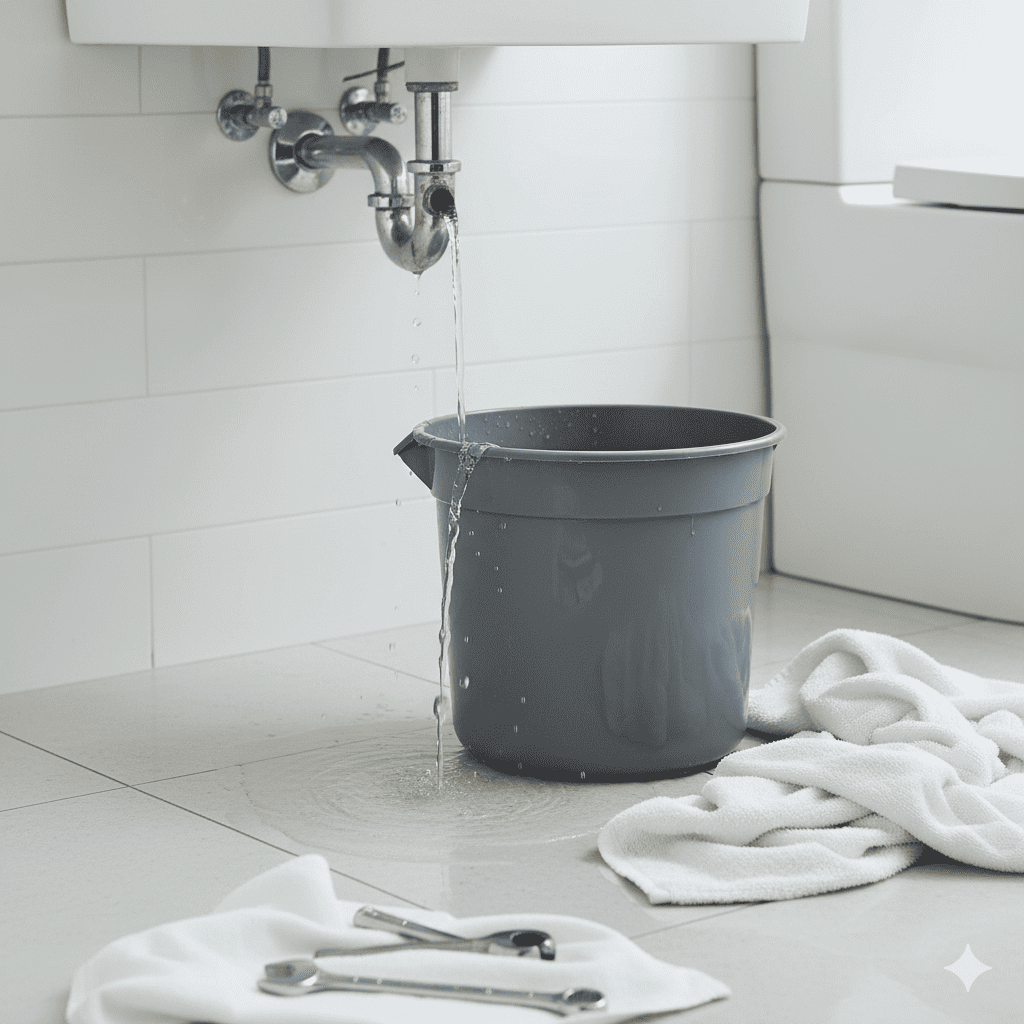
When all else fails or you’re waiting for parts, damage control is key! Place a large bucket directly under the leak to catch dripping water. Wrap old towels around the pipe above the leak to absorb water and prevent it from running down the pipe onto floors or walls. Empty the bucket regularly set a timer if needed so it doesn’t overflow. While this doesn’t fix the leak, it prevents water damage to your home and gives you breathing room until you can implement a proper temporary fix or a plumber arrives. Sometimes the simplest solutions save you from the biggest headaches!
Important Reminder: All these methods are temporary emergency fixes. Even if they seem to be working perfectly, schedule a professional plumber to make permanent repairs. Temporary patches can fail without warning, and the underlying problem may worsen over time. Don’t let a quick fix turn into a costly water damage disaster later!
Effects of Leaking Pipes:
Water damage is one of the most common problems caused by leaking pipes. Leaking pipes can cause a lot of damage to your home. This type of damage can be expensive to repair, and it can also lead to mould growth. Moulds can cause serious health problems, so it’s important to get rid of them as soon as possible.
Can I Fix a Leaking Pipes by Myself?
It’s generally not a good idea to try to fix leaking pipes yourself. Plumbing is a complex system, and it’s best to leave repairs to the professionals. A professional plumber will be able to quickly find and fix the leak, and they’ll also be able to check for other potential problems in your plumbing system. Trying to fix a leaking pipe yourself can often make the problem worse, so it’s best to call plumbing service right away.
How to Prevent Pipe Leaks
Prevention is always better than dealing with a plumbing emergency. By taking proactive steps to maintain your plumbing system, you can avoid most pipe leaks and the costly water damage they cause. Here’s how to keep your pipes in top condition.
Regular Plumbing Inspections:
Schedule professional plumbing inspections at least once a year. A qualified plumber can spot early warning signs of deterioration, corrosion, or weak joints before they become leaks. In Singapore’s humid climate, annual inspections are especially important as moisture can accelerate pipe corrosion. Catching issues early saves you thousands in repair costs later.
Monitor Water Pressure:
High water pressure puts enormous stress on your pipes, joints, and fixtures. Ideal pressure is between 40-60 PSI; anything above 80 PSI is dangerous. If your pressure is too high, install a pressure regulator at your main water line to prevent sudden leaks and extend your plumbing system’s life.
Insulate Exposed Pipes:
Insulated pipes are protected from physical damage, reduce condensation that causes corrosion, and maintain water temperature better. Focus on pipes in utility rooms, under sinks, and any exposed plumbing. Foam pipe insulation is inexpensive and easy to install yourself.
Avoid Chemical Drain Cleaners:
Harsh drain-clearing chemicals corrode pipe interiors, weaken joints, and damage older plumbing systems. Instead, use a plunger, drain snake, or natural solutions like baking soda and vinegar. For stubborn blockages, call a professional plumber.
Address Small Leaks Immediately:
Small leaks rarely stay small. As soon as you notice any moisture, dampness, or dripping no matter how minor investigate and fix it. A small repair today prevents a major emergency tomorrow.
Keep Drains Clear:
Use drain strainers to catch hair and debris. Never pour grease or cooking oil down drains. Run hot water after using the sink and flush drains monthly with hot water followed by baking soda and vinegar to prevent clogs that stress your pipes.
Mind What Goes Down Your Drains:
Don’t flush anything except toilet paper and human waste. Avoid pouring coffee grounds, eggshells, fibrous vegetables, or starchy foods down kitchen drains. Hair, dental floss, and “flushable” wipes should go in the trash. Being mindful prevents clogs and pressure buildup.
Check for Corrosion Regularly:
Inspect visible pipes every few months for discoloration, flaking, or deposits. Corrosion weakens pipes and eventually causes leaks. Pay special attention to joints and connections where corrosion often starts first, especially in Singapore’s humid environment.
Replace Old Pipes Proactively:
If your home is over 50 years old with original pipes, consider replacing them before problems arise. Old galvanized steel, lead, or polybutylene pipes are prone to failure. While replacement is expensive, it’s cheaper than dealing with multiple leaks and water damage.
Install Leak Detection Devices:
Water leak detectors (starting around $20-30 each) sound an alarm when they detect moisture. Place them near water heaters, under sinks, behind toilets, and near washing machines. Smart detectors can even send notifications to your phone.
Be Gentle with Fixtures:
Train everyone to treat plumbing fixtures gently. Don’t force faucet handles or connections. Turn faucets off firmly but gently they don’t need to be cranked tight. This prevents wear and tear that causes leaks over time.
Schedule Professional Maintenance:
Even with preventive measures, professional maintenance remains essential. Plumbers have specialized tools to detect hidden problems you can’t see. Investing in preventive professional maintenance costs a fraction of what emergency repairs and water damage restoration would cost.
Bottom Line: Most pipe leaks are preventable with regular maintenance, careful usage, and prompt attention to small problems. A little prevention now saves you from major headaches and expensive repairs later. When in doubt, consult a professional plumber who can assess your specific situation and recommend the best preventive measures for your home.
How Helpling Fixes a Leaking Pipe Properly
Epoxy putty and repair tape buy you time. They don’t fix the pipe, and the longer a leak runs behind a wall or under a floor, the more you end up paying for the damage rather than the repair. Helpling’s plumbing service deals with the pipe itself.
Our plumbers carry out leak detection to find leaks you can’t see, handle leakage repairs across supply and waste pipes, and cover toilet pipes, sinks, showers, faucets and water heater connections. Simple repairs are often done in as little as 30 minutes; larger jobs up to three hours.
Every plumber is thoroughly interviewed and background-checked, and a Personal Home Advisor responds within 15 minutes backed by 4.8/5 from 7,800+ Google reviews and over 100,000 happy customers.
Book a plumber with Helpling today.
New to Helpling? Book now to enjoy $20 off your first clean!
Follow Helpling’s social media channels such as Facebook and Instagram for more content and tips.