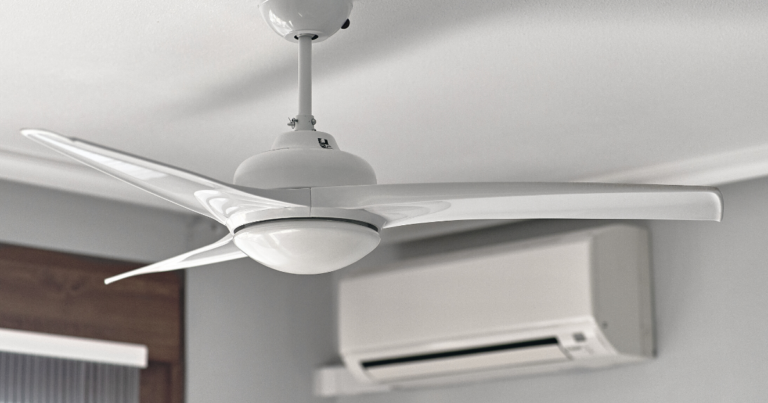
Aircon – it’s a big deal in Singapore. Anyone staying here can attest to the terribly hot days and nights we’ve experienced recently. During this time, air conditioning has been a huge saving grace for many of us. However, constantly leaving your aircon on does have its pitfalls, from higher bills to more frequent servicing.
It isn’t the most eco-friendly option, and at the same time, electricity tariffs have been going up and are expected to rise in the next quarter as well. With Singapore’s erratic weather, you never know when it’s going to be a super hot day or night.
Here are some tips to get through the hottest of days and keep your space cool without turning on your aircon.
Keep your room cool
Open the windows and doors at night
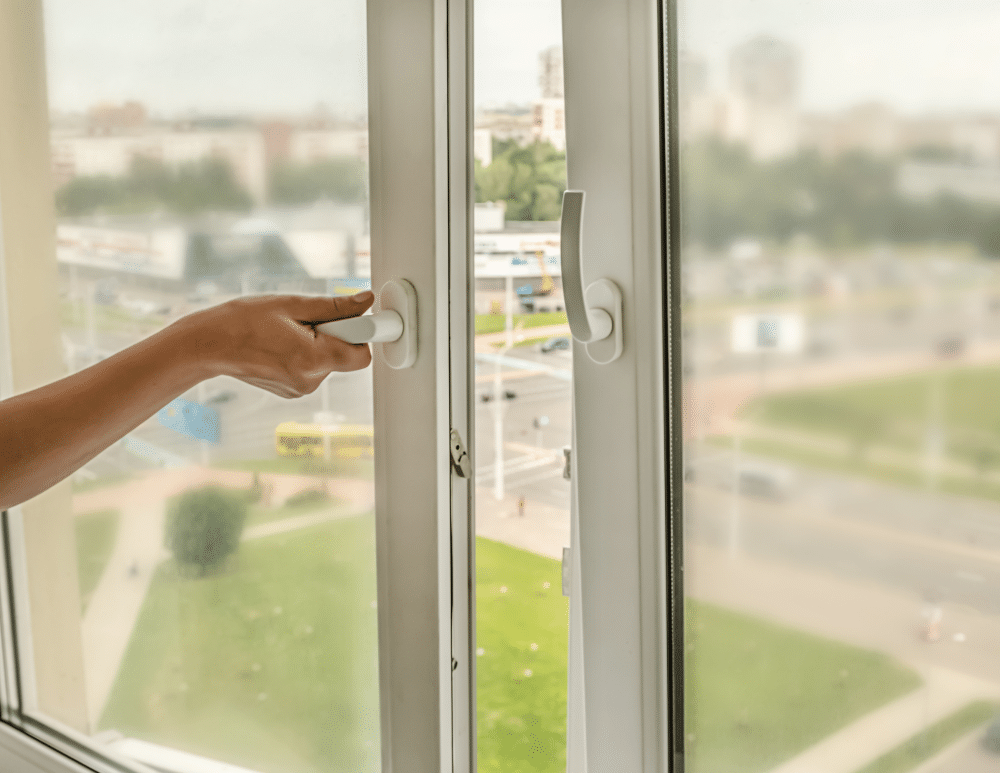
Keeping your windows and doors open at night can allow a cool night breeze to enter your home through your window and create a cross-breeze to circulate throughout your room. It also decreases the amount of carbon dioxide in your room, leading to a better quality of sleep.
Switch to LED lightbulbs
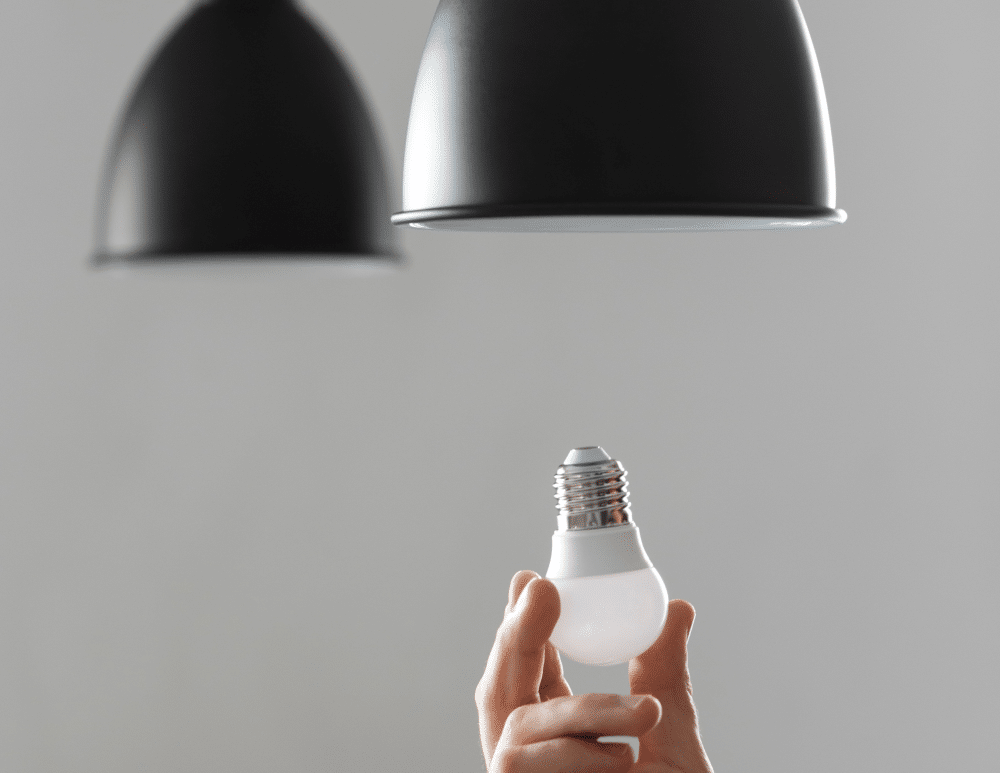
Did you know that LED lightbulbs don’t emanate heat like normal (incandescent) light bulbs and are more energy efficient?
LED emits light directionally instead of 360 degrees like an incandescent bulb. This saves energy because it is focused on a certain degree instead of creating more energy for the entire 360 degrees of the room.
Take a cool shower
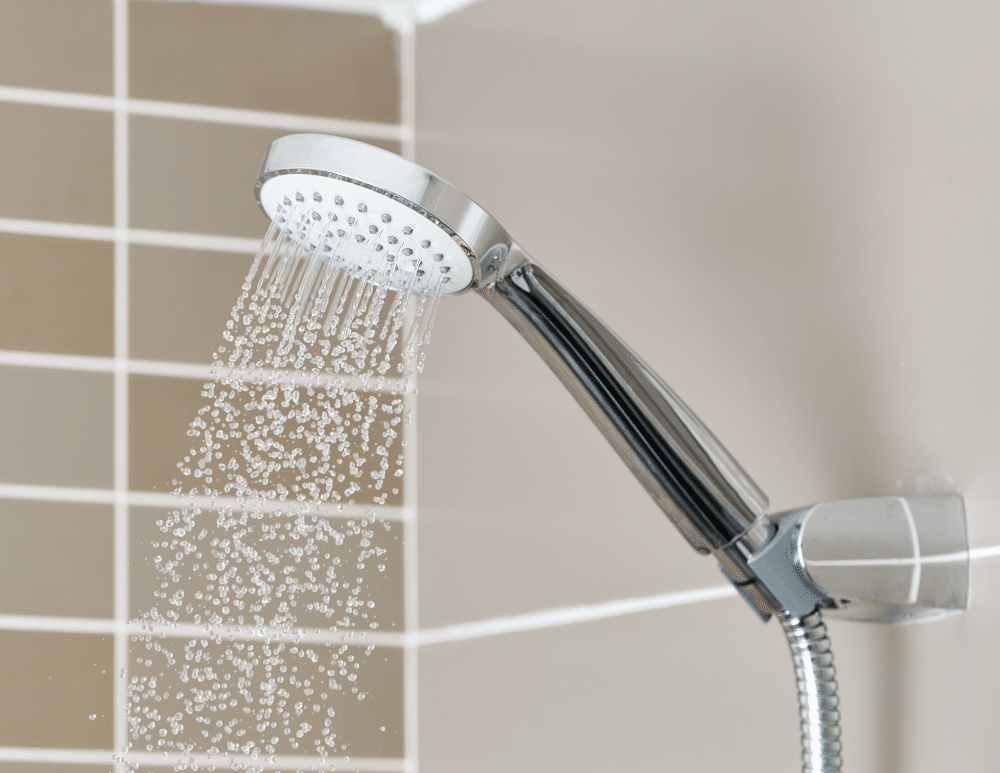
Despite the sweltering heat, many of us feel more comfortable taking warm showers. However, taking cold showers can help you to lower your body temperature. It definitely takes a little getting used to, and might not be the most pleasant thing to experience, but one day you’ll enjoy taking a cool shower on a hot day.
Buy mattresses and pillows with cooling properties
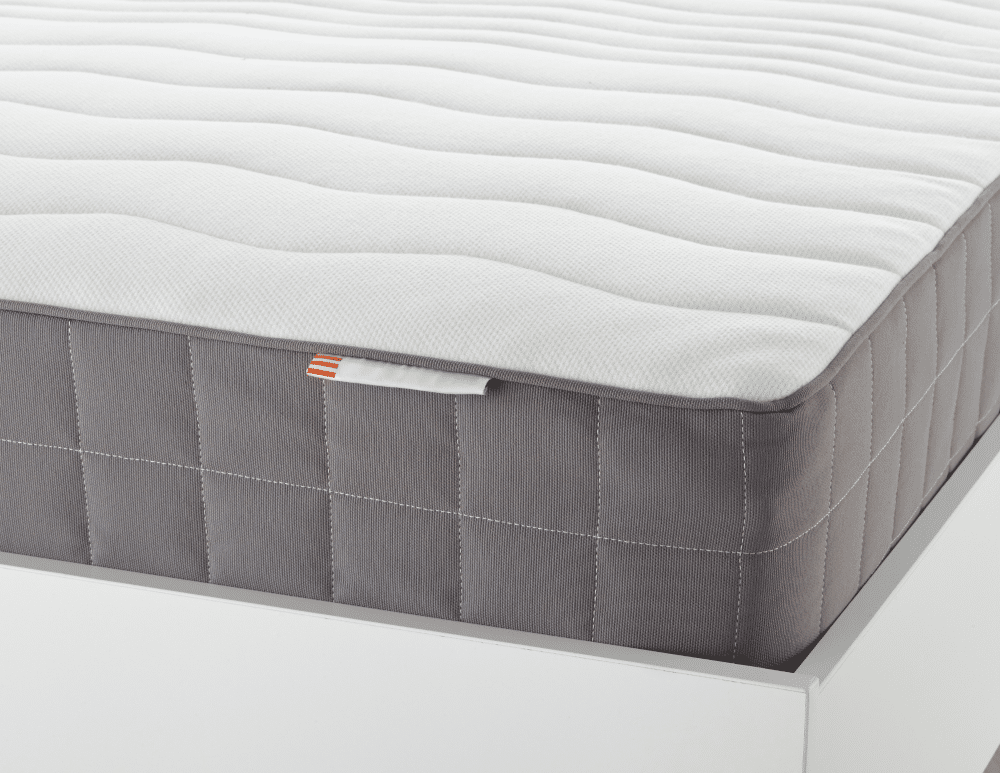
Materials like Tencel and cotton are ideal for your mattresses and pillows as they are cooling and breathable. While they may come with a heftier price tag, they are also more durable, making them a wise investment for a good night’s sleep!
Upgrade to High-Performance Fans and Position Them Strategically
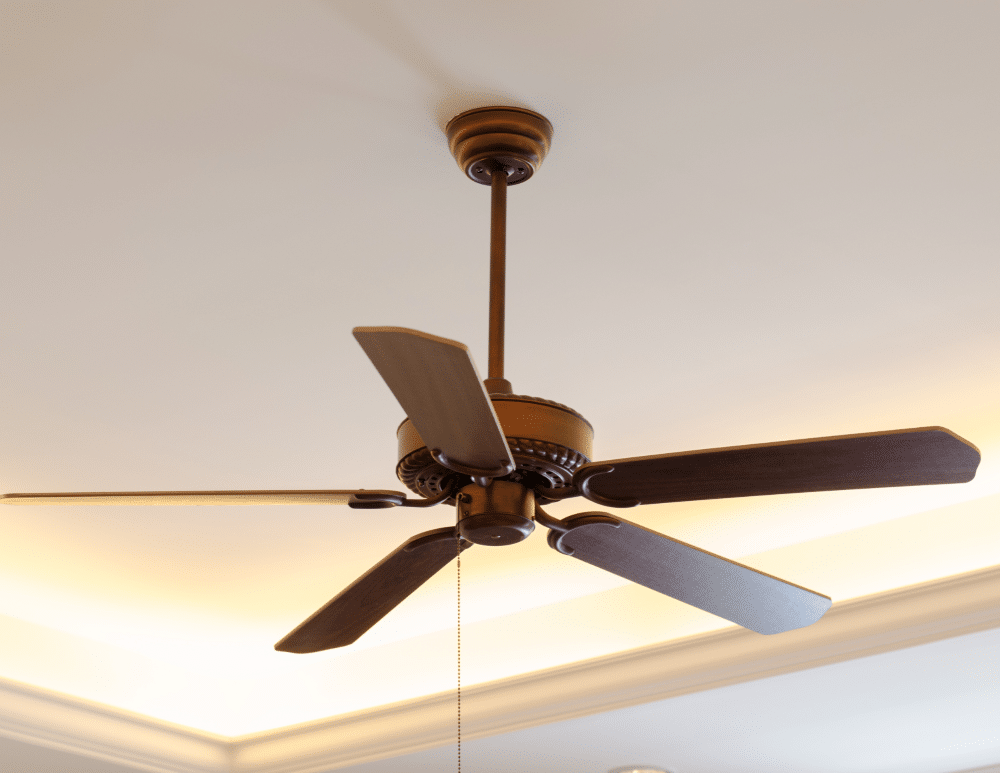
Not all fans are created equal, especially in Singapore’s humid environment. The right fan setup can make a room feel 4-6°C cooler through improved air circulation and evaporative cooling.
Choose the Right Fan Type
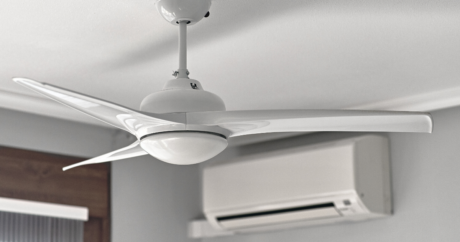
Ceiling Fans (Best for Singapore):
- Move large volumes of air efficiently
- Use 40% less electricity than portable fans for the same cooling effect
- Most effective with blade diameter of at least 1.2m for standard HDB rooms
- Ensure proper height: 2.3-2.7m from floor for optimal airflow
Tip: Set your ceiling fan to rotate counter-clockwise (when viewed from below) during hot weather. This pushes air downward, creating a cooling breeze.
Tower Fans (Best for Small Spaces):
- Ideal for HDB bedrooms or study rooms
- Oscillating feature distributes air evenly
- Quieter than traditional stand fans
- Space-saving vertical design
DC Motor Fans (Energy Efficient):
- Use 60-70% less electricity than AC motor fans
- Operate more quietly
- Higher initial cost but saves $50-$80 annually
- Increasingly popular in Singapore for 24/7 bedroom use
Avoid: Small personal desk fans—they move insufficient air volume for Singapore’s heat and humidity.
Choose an energy-efficient aircon if you need to have it on
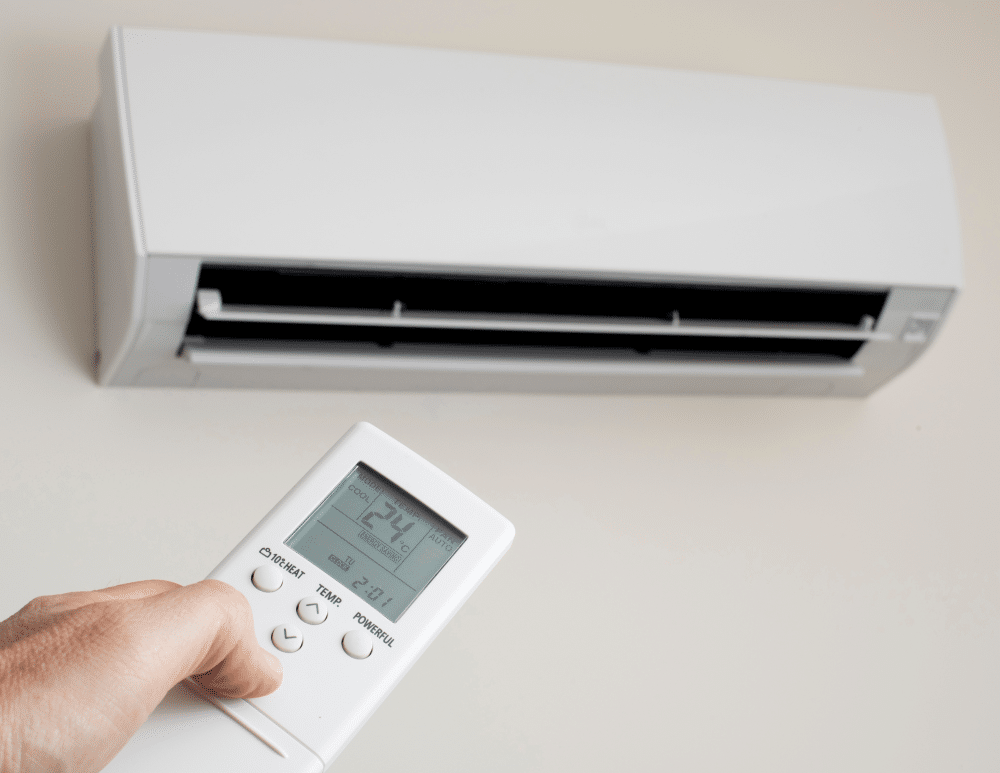
If you really need to use the aircon, choose an energy-efficient one. Some things to consider in doing so would be the size of the aircon, temperature settings, and of course, any energy saving certifications it has. It’s important that you service it regularly as well so it doesn’t use more energy than it should and can function optimally for longer.
Reduce Internal Heat Sources and Optimize Appliances
You might not realize it, but everyday appliances and activities generate significant heat in your home. In a small HDB flat, these internal heat sources can raise room temperature by 2-4°C.
Major Heat Culprits in Singapore Homes
Kitchen Appliances (Biggest Heat Generator):
Cooking Heat:
- Gas stoves generate intense heat and humidity
- Electric ovens raise kitchen temperature by 5-8°C
- Rice cookers, air fryers, and kettles all add heat
Solutions:
- Cook during cooler hours (early morning or after sunset)
- Use kitchen exhaust hood or open kitchen windows while cooking
- Consider pressure cookers or instant pots (faster cooking = less heat generation)
- Opt for outdoor cooking when possible (BBQ on balcony, if permitted)
- Microwave generates less ambient heat than ovens
After cooking: Keep kitchen door closed to contain heat, prevent it from spreading to other rooms.
Electronics and Lighting:
Heat-Generating Electronics:
- Desktop computers: 200-400W (significant heat output)
- TVs (especially older models): 80-200W
- Gaming consoles: 100-150W when in use
- Incandescent bulbs: 60W bulb generates 80% heat, only 20% light
LED Lighting Upgrade (High Impact):
- Replace ALL incandescent bulbs with LED
- LED bulbs use 75% less energy and generate minimal heat
- A typical 3-room HDB with 10 bulbs can save $80-$120 annually
- LEDs also last 15-25 times longer
- ROI: Payback period is typically 6-12 months from electricity savings alone
Electronics Management:
- Turn off electronics when not in use (not just standby mode)
- Unplug chargers—they generate heat even when not charging
- Position Wi-Fi routers and computers away from sleeping/living areas
- Use laptop instead of desktop (uses 80% less power, generates less heat)
Tip: Check your appliances at night—if they’re warm to touch, they’re generating heat even in standby mode.
Humidity Control (Critical in Singapore)
High humidity makes heat feel worse. At 80% humidity, 28°C feels like 32°C due to reduced evaporative cooling from your skin.
Dehumidifier Use:
- Reduces humidity to 50-60% (comfortable range)
- Makes the same temperature feel 2-3°C cooler
- Particularly effective in ground floor units or during monsoon season
- Run during closed-window hours (air-conditioned feel without the AC)
Cost: 12-16 cents per hour to run (still cheaper than aircon)
Natural Humidity Control:
- Avoid drying clothes indoors (adds massive humidity)
- Fix any water leaks immediately
- Use bathroom exhaust fans during and after showers
- Keep indoor plants to a minimum (they release moisture)
Caution: Over-dehumidification (below 40%) can cause dry skin and respiratory discomfort. Aim for 50-60%.
Smart Power Strip for Easy Management
Use a smart power strip or smart plugs to turn off multiple devices with one switch. This prevents “vampire power” draw and eliminates standby heat generation from multiple devices.
How Helpling Helps You Stay Cool for Less
These tricks cut your reliance on the aircon, but they won’t help much if the unit you do switch on is running at half efficiency. A clogged filter or a dust-coated coil forces the compressor to work longer for the same cooling which is where the bill actually comes from. Helpling’s aircon technicians fix that side of the equation.
General servicing from $17.50 per unit keeps filters, coils and drainage clear every three months. Where buildup has hardened, an aircon chemical wash or chemical overhaul restores cooling properly, condenser cleaning stops the outdoor unit overworking, and a gas top-up for R22, R410A or R32 systems corrects the weak cooling low refrigerant causes.
Every technician completes 200+ hours of training, and each job carries a 30-day workmanship guarantee backed by 4.8/5 from 7,800+ Google reviews.
Book your aircon servicing with Helpling today.
New to Helpling? Book now to enjoy $20 off your first clean!
Follow Helpling’s social media channels such as Facebook and Instagram for more content and tips.