

Decluttering is a structured process of removing unused, unwanted, or excess items from every room in your home so that the space you live in supports how you actually live. The result is not just fewer possessions but clearer surfaces, faster cleaning routines, and a home that feels calmer the moment you walk through the door.
This guide covers what decluttering involves and how it differs from organising, the most popular decluttering methods and how each one works, where to start for maximum momentum, a room-by-room checklist spanning kitchen through garage, how long the process takes by property size, what to do with items you remove, whether decluttering improves mental health, and whether a deep clean after decluttering is worth the effort.
What is Decluttering?
Decluttering is the deliberate process of sorting through belongings in a living space, deciding what to keep, and removing everything that is no longer used, needed, or valued, as defined by the National Association of Productivity and Organizing Professionals (NAPO) in its residential organizing standards. Related terms include purging, editing, downsizing, and simplifying.
Decluttering differs from organising in both sequence and purpose. Decluttering comes first: it reduces the total volume of items in a space. Organising comes second: it assigns a logical home to every item that survived the decluttering step. Attempting to organise before decluttering is the most common reason home organisation projects fail, because storage systems designed around too many items collapse within weeks. The correct order is always declutter first, then organise, then maintain.
The scope of a decluttering project falls along a spectrum. A light declutter targets visible surfaces only (countertops, coffee tables, nightstands) and typically takes a single afternoon. A moderate declutter works room by room through drawers, cabinets, and closets over several weekends. A deep declutter covers the entire home, including storage areas, garages, attics, and sentimental collections, and may require weeks or months of sustained effort depending on how much has accumulated.
Regardless of scope, the underlying principle stays the same: every item in the home should earn its place by being used regularly, serving a clear purpose, or holding genuine personal meaning. Items that fail all three criteria are candidates for removal.
The method you choose to work through that removal process shapes how quickly you see results and whether those results last.
What are the most popular decluttering methods?
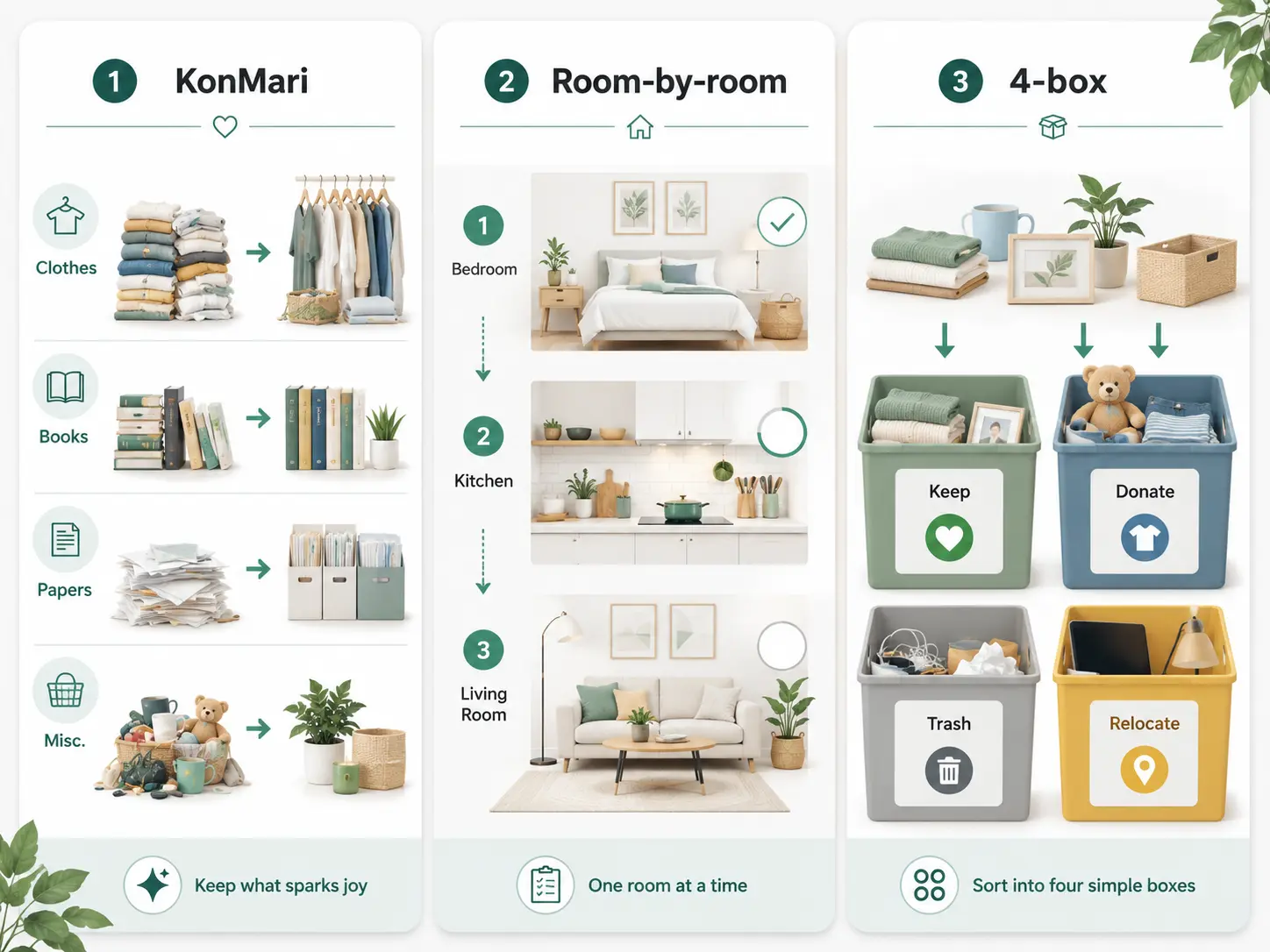
The most popular decluttering methods fall into three broad approaches: category-based, geographic, and decision-framework-based. Each works for different household sizes, personality types, and time constraints.
KonMari method (category-by-category)
The KonMari method, developed by Japanese organising consultant Marie Kondo and published in “The Life-Changing Magic of Tidying Up” (2014), works by category rather than by room. The method requires gathering every item from one category (for example, all clothing from every closet and drawer in the house) into a single pile, then holding each item and deciding whether it “sparks joy.” Items that do not spark joy are thanked and released.
The KonMari sequence follows a fixed order designed to build decision-making confidence: clothing first, then books, then papers, then miscellaneous household items (called “komono”), then sentimental items last. Sentimental items come last because they require the most emotional energy, and by that stage the homeowner has built the muscle memory of letting go.
The strength of this method is its completeness. Decluttering by category forces the homeowner to confront the true volume of what they own, because items of the same type stored in different rooms become visible for the first time. The limitation is time: pulling every book or every piece of clothing into one space requires a large block of uninterrupted hours, which working households do not always have.
Room-by-room method
The room-by-room method works geographically. The homeowner picks one room, declutters it completely, then moves to the next. Progress is visible immediately because each finished room stays done while the rest of the house catches up.
This method suits households that need incremental progress and cannot dedicate full days to one category. It also produces the fastest visual payoff: a fully decluttered bathroom or entryway creates a tangible sense of accomplishment that motivates continuing into harder spaces like kitchens and garages.
The limitation is that items of the same category (for example, cleaning products stored in the kitchen, bathroom, laundry room, and garage) are never gathered together, which means duplicates may survive the process undetected. Combining the room-by-room method with a brief category check at the end addresses this gap.
4-box method (keep, donate, discard, relocate)
The 4-box method uses a decision framework rather than a physical sequence. Four boxes (or bags, or zones on the floor) are labelled: keep, donate, discard, and relocate. Every item in the space being decluttered goes into one of the four boxes. Nothing stays in place until a decision has been made.
The strength of the 4-box method is its simplicity. There is no reading, no philosophy, and no prior knowledge required. It works well for first-time declutterers, for children helping with shared spaces, and for any room where the volume of items feels overwhelming because the decision is always the same four-option question.
The limitation is that the method does not prescribe an order or a stopping point, so a homeowner who opens every cupboard in the kitchen simultaneously may create more mess than they resolve in a single session. Pairing the 4-box method with the room-by-room sequence (one room at a time, four boxes per room) avoids that failure mode.
Choosing which method to use matters less than choosing where to begin, because early momentum determines whether the project finishes or stalls.
Where should you start decluttering your home?
The best room to start decluttering is the one that delivers the highest visible payoff in the shortest time, which for most households means the bathroom, the entryway, or the kitchen, with the top three starting points being:
- Bathroom. Bathrooms are small, the decisions are straightforward (expired products, empty bottles, and duplicate grooming tools are obvious removals), and a fully decluttered bathroom can be finished in under two hours. The quick completion builds confidence.
- Entryway or hallway. The entryway is the first and last space seen every day. Clearing shoe racks, coat hooks, and accumulated mail creates a visible reset that reinforces the decluttering habit every time the homeowner enters or leaves.
- Kitchen. The kitchen is the highest-traffic room in most homes. Decluttering expired pantry items, duplicate utensils, and unused appliances frees counter and drawer space that the homeowner uses every day, making the payoff continuous rather than one-time.
After these three, the recommended sequence moves through bedrooms and closets (high-impact for daily routines), living rooms (high-visibility for shared spaces), home offices (high-impact for productivity), and finally garages, attics, and storage areas. Storage spaces come last because they are the most physically and emotionally demanding, and by that point the homeowner has built the sorting and decision-making stamina needed to handle larger volumes and sentimental items.
For households with children, inserting a toy declutter between the kitchen and the bedrooms prevents toy overflow from undoing the progress made in shared living spaces.
The checklist below breaks each room into specific tasks so nothing is missed.
Room-by-room decluttering checklist
A decluttering checklist organised by room ensures that every drawer, shelf, and storage zone is addressed systematically rather than by impulse. The six areas below cover the full footprint of a typical home. Work top-to-bottom within each room (high shelves first, floor last) so that items pulled from upper storage do not land on surfaces already sorted.
Kitchen decluttering checklist

- Open every cabinet and remove items that are expired, broken, or unused for more than 12 months
- Pull duplicate utensils, gadgets, and small appliances; keep only the version you reach for most often
- Empty the pantry shelf by shelf, discarding expired food, half-empty spice jars, and items bought on impulse but never cooked with
- Sort food storage containers and lids; match each container to its lid and recycle orphans
- Clear the countertops of appliances used fewer than once a week (stand mixers, bread machines, novelty gadgets)
- Clean out the junk drawer and relocate items that do not belong in the kitchen (batteries, tools, keys)
- Open the refrigerator and freezer, discarding expired condiments, freezer-burned items, and mystery containers
- Check under the sink for duplicate cleaning products, dried-out sponges, and leaking bottles
- Sort tea towels and oven mitts, keeping only those in good condition
- Review the spice rack, discarding any ground spices older than 12 months and whole spices older than 24 months
Bedroom and closet decluttering checklist

- Empty the wardrobe completely and sort clothing into keep, donate, and discard piles
- Apply the 12-month rule: if an item has not been worn in the past year and is not formal or seasonal, release it
- Check pockets of all coats and jackets before removing them
- Sort shoes, keeping only pairs that fit, are in good condition, and are worn at least seasonally
- Declutter accessories (belts, scarves, hats, jewellery) by removing broken, tangled, or forgotten items
- Clear nightstand surfaces of accumulated books, chargers, tissues, and products no longer in use
- Sort dresser drawers by category (undergarments, sleepwear, workout clothing) and remove worn-out items
- Check under the bed for stored items that have not been accessed in over a year
- Sort handbags and backpacks, emptying contents and removing any that are damaged or unused
- Assess bed linens: keep two sets per bed and donate or discard extras that are stained, pilled, or mismatched
Bathroom decluttering checklist
- Open the medicine cabinet and discard expired medications, dried-out products, and items used fewer than once a month
- Sort toiletries by category (skincare, haircare, dental, grooming) and remove anything expired, half-empty, or repurchased in a newer version
- Clear the shower of empty bottles, hardened soap slivers, and products that did not work for your hair or skin type
- Check beneath the sink for duplicate cleaning products, old sponges, and forgotten supplies
- Sort makeup and cosmetics, discarding anything older than 12 months (mascara, liquid foundation) or 24 months (powder, lipstick)
- Remove decorative items that collect dust and serve no functional purpose
- Assess towels: keep two to three sets per person and retire frayed or stained towels to the cleaning-rag bin
- Clear countertops of items used less than daily; store them inside cabinets instead
Living room decluttering checklist
- Remove items that migrated from other rooms (cups, dishes, toys, shoes, mail, paperwork)
- Sort bookshelves, removing books you will not reread or reference
- Declutter entertainment centres: discard old cables, remotes for devices no longer owned, and physical media (DVDs, CDs) already available digitally
- Clear coffee table and side table surfaces of accumulated items, keeping only one to two functional or decorative pieces per surface
- Sort throw blankets and cushions, keeping only those in good condition and actively used
- Open storage furniture (ottomans, media consoles, drawers) and remove items that do not belong or are no longer needed
- Assess decorative items: if a shelf or surface feels crowded, remove the least meaningful pieces first
- Check for board games, puzzles, and craft supplies with missing pieces
Home office decluttering checklist
- Sort paper documents into four categories: action required, file for reference, shred, and recycle
- Discard receipts older than 90 days unless needed for tax or warranty purposes
- Clear the desk surface entirely, then return only items used daily (monitor, keyboard, mouse, one pen cup)
- Sort desk drawers, removing dried-out pens, duplicate stationery, and supplies bought in bulk that exceed a 12-month supply
- Unplug and remove electronics no longer in use (old chargers, adapters, broken peripherals)
- Organise cables and discard any cable whose device has been replaced
- Assess reference books and binders; digitise what can be scanned and recycle the physical copy
- Sort filing cabinets annually, shredding documents past their retention period
Garage and storage areas decluttering checklist
- Pull everything onto the driveway or into the centre of the space so the full volume is visible
- Sort by category: tools, seasonal decorations, sporting equipment, automotive, gardening, sentimental
- Discard anything broken, rusted, or missing parts that you have not repaired in the past 12 months
- Consolidate duplicates (how many hammers, tape measures, or screwdriver sets does one household need?)
- Sort sentimental items last, after the easier categories have built decision-making momentum
- Assess large items (furniture, baby gear, exercise equipment) honestly: if it has not been used in the past year, it is taking space from items you do use
- Return only the items you are keeping, grouping them by category and storing them in labelled bins or on shelved zones
- Keep a permanent donation box near the door so items can be removed continuously rather than accumulating until the next decluttering session
The time required to work through this checklist depends on property size, the number of people helping, and whether the household tackles one room per weekend or commits to a concentrated sprint.
How long does decluttering your home take?
Decluttering takes between 10 and 60 hours of active sorting for a typical residential property, with the three main ranges depending on home size:
| Property size | Solo duration | With a partner or team | Notes |
| Studio or 1-bedroom apartment (under 650 sqft / 60 sqm) | 10-15 hours | 5-8 hours | Achievable over two weekends |
| 2-3 bedroom home (650-1,300 sqft / 60-120 sqm) | 20-35 hours | 10-18 hours | Three to five weekends at 4-6 hours per session |
| 4+ bedroom home or large house (over 1,300 sqft / 120 sqm) | 35-60 hours | 18-30 hours | Six to ten weekends, or a one-month daily-session sprint |
These ranges assume a systematic room-by-room or category-by-category approach and include time for sorting, decision-making, bagging donations, and returning kept items to their places. Homes with decades of accumulated belongings, large garages, or extensive sentimental collections may exceed the upper end. Homes where a previous declutter or regular tidying has kept volume in check will fall at the lower end.
The most common failure mode is starting too aggressively. A homeowner who empties an entire garage in one morning and then runs out of energy by noon is left with a larger mess than they started with. Sessions of 2-4 hours with a defined stopping point (one room, one category, or one closet) produce steadier progress and avoid burnout.
Once the sorting is done, the next question is what happens to the items that leave the home.
What should you do with items you declutter?
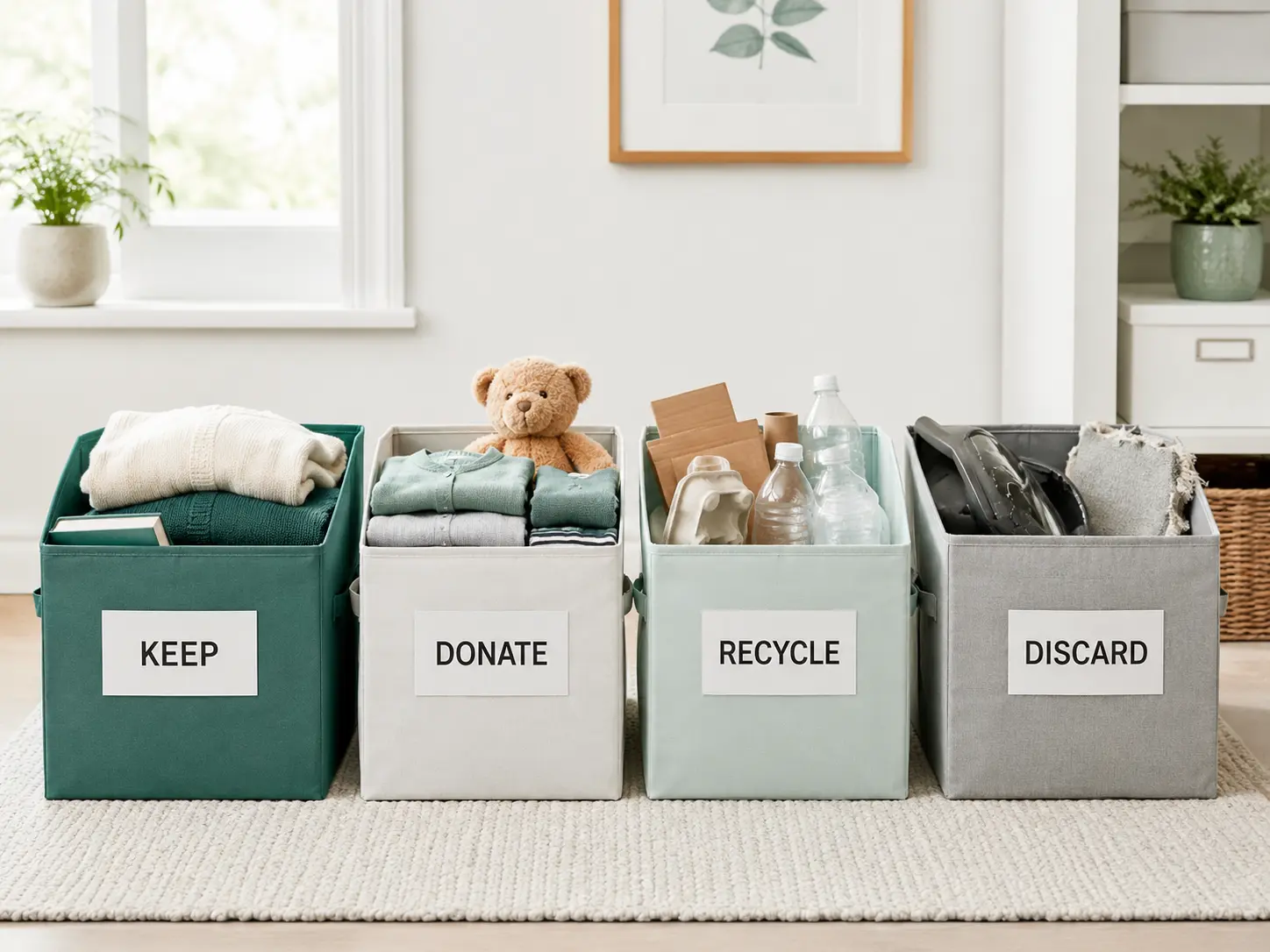
Decluttered items follow four disposal paths depending on condition, value, and material: donate, sell, recycle, and discard.
Donate. Items in good working condition that you no longer need can be donated to charity shops, community organisations, shelters, or religious institutions. Clothing, kitchenware, books, toys, and small furniture are commonly accepted. Many organisations offer free pickup for large donations. Donating keeps usable items out of landfill and provides them to households that need them.
Sell. Items with resale value (electronics, furniture, designer clothing, collectibles, tools, sporting goods) can be sold through online marketplaces, neighbourhood selling apps, consignment stores, or garage sales. Setting a deadline (for example, if it does not sell within 30 days, it gets donated) prevents the decluttered items from sitting in a staging area and becoming a new form of clutter.
Recycle. Paper, cardboard, glass, certain plastics, and metals can go into municipal recycling streams. Electronics, batteries, and light bulbs require specialist recycling centres. Textiles that are too worn to donate can often be recycled through textile collection programs run by retailers or local councils.
Discard. Items that are broken beyond repair, contaminated, or hazardous (dried paint, expired chemicals, damaged electronics) go to landfill or specialist waste disposal. Check local council guidelines for bulky-item collection schedules and hazardous-waste drop-off points.
Sorting decluttered items into these four streams as you work (one bag or box per stream) is faster than sorting everything at the end. Placing the donation and recycling bags in the car boot immediately after each session prevents second-guessing and ensures the items actually leave the house.
Beyond the physical benefits of fewer possessions and more space, decluttering produces measurable effects on psychological well-being.
Does decluttering improve mental health?

Yes. Decluttering improves mental health by reducing visual and cognitive overload in the home environment, according to research published in the Personality and Social Psychology Bulletin (2010) by UCLA’s Center on Everyday Lives and Families (CELF), which found that women who described their homes as “cluttered” or “full of unfinished projects” had flatter cortisol slopes throughout the day, indicating chronic stress, compared to women who described their homes as “restful” or “restorative.” Related terms include stress reduction, cognitive load, and environmental psychology.
The mechanism is straightforward: a cluttered room presents the brain with excessive visual stimuli, each of which competes for attention. The prefrontal cortex, which handles decision-making and prioritisation, must process those stimuli even when the homeowner is not consciously looking at the clutter. Over time, this background processing depletes executive-function resources, contributing to fatigue, irritability, and difficulty concentrating, as described by Dr. Sabine Kastner, professor of psychology and neuroscience at Princeton University, in her research on attentional competition in visual environments.
Decluttering reverses this process by reducing the number of objects competing for attention. The immediate effect is a calmer sensory environment. The longer-term effect is a self-reinforcing cycle: a decluttered room is faster to clean, faster cleaning leaves more free time, and more free time reduces the perceived burden of household management.
Is it better to declutter all at once or gradually?
For most households, a gradual approach (one room or one category per week) produces better results than a single marathon session. The exception is the KonMari method, which deliberately front-loads the effort to create a dramatic before-and-after contrast that reinforces the new standard. Either pace works as long as the homeowner completes the full home rather than stopping after the first room.
The mental health benefits compound when decluttering is followed by a physical reset of the space itself, because a clean surface registers differently than a cluttered surface even when the same number of items remain.
Should you deep clean after decluttering?
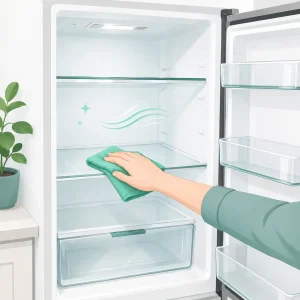
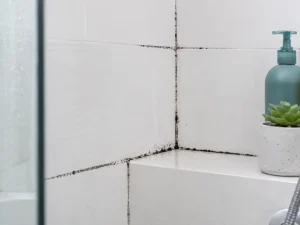
Yes. A deep clean after decluttering is worth the effort because decluttering exposes surfaces, corners, and storage areas that have been hidden behind or beneath accumulated items for months or years. Dust, allergens, pet hair, food residue, and mould spores accumulate in precisely the spaces that clutter conceals: behind stacked boxes in garages, beneath overstuffed drawers, along the back walls of crammed closets, and in the gaps between appliances pushed against kitchen walls.
Decluttering creates the access that deep cleaning requires. A kitchen counter buried under appliances cannot be scrubbed. A wardrobe stuffed to capacity cannot have its shelves wiped. A bathroom vanity packed with products cannot have its drawers cleaned. The act of removing items is what makes the surfaces available for cleaning in the first place.
The recommended sequence is: declutter the room first, then deep clean it before returning the kept items to their places. This order ensures that every item goes back into a clean space, which reinforces the sense of reset and makes the new arrangement feel permanent rather than temporary.
How often should you declutter? A light maintenance declutter (surfaces and obvious removals) is effective once per season. A moderate declutter (drawers, cabinets, and closets) works well twice a year, ideally timed to coincide with seasonal wardrobe changes. A full deep declutter of the entire home, including garages and storage areas, is a once-a-year project that pairs naturally with an annual deep clean or spring cleaning session.
For homeowners who want the deep clean handled by a professional team while they focus on the sorting and decision-making, a cleaning service can follow behind the decluttering process room by room, scrubbing the surfaces as they are exposed. This division of labour lets the homeowner concentrate on what only they can decide (what to keep and what to release) while trained cleaners handle the physical cleaning work that benefits from professional equipment and technique.
A room-by-room decluttering checklist turns an overwhelming whole-home project into a sequence of manageable tasks that any household can follow. For homeowners who want a professional deep clean to complete the reset after decluttering, Helpling matches you with vetted, insured cleaners who work from a documented checklist and are backed by a satisfaction guarantee. Book a cleaning session through Helpling and let the professionals handle the surfaces while you handle the stuff.