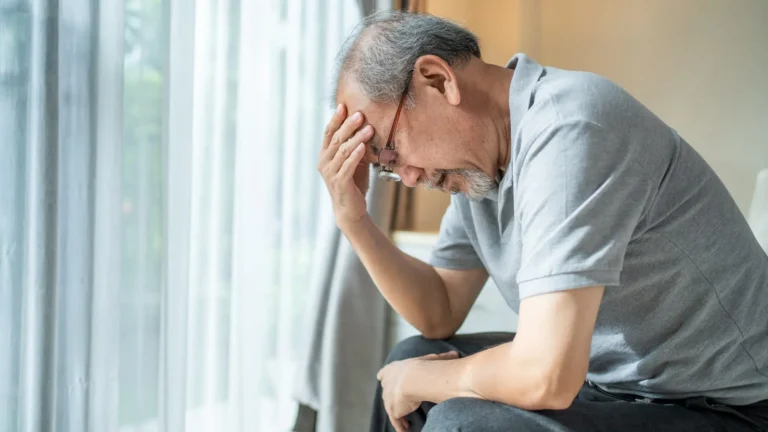
Chronic pain represents a significant health challenge for Singapore’s aging population. Research shows that chronic pain affects approximately 30% of older adults, with some studies indicating figures as high as 65% in individuals over 65 years of age. Unlike temporary discomfort, chronic pain persists for more than three months and can manifest as aching, burning, shooting, stiffness, or throbbing sensations throughout the body.
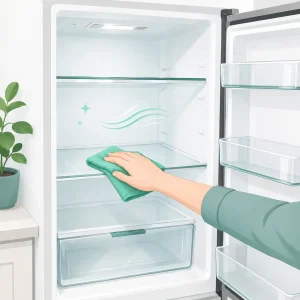
The impact of chronic pain extends far beyond physical discomfort. It transforms daily life, making routine household tasks increasingly difficult and sometimes impossible. Simple activities like bending to clean floors, reaching to dust high surfaces, or lifting laundry baskets become sources of additional pain and potential injury. This creates a challenging cycle where seniors struggle to maintain their homes while dealing with persistent discomfort.
The connection between a clean, organized home environment and effective pain management for the elderly cannot be overstated. Research demonstrates that environmental factors significantly influence pain perception and overall well-being. When seniors can maintain clean, clutter-free living spaces, they experience reduced stress, improved safety, and better overall comfort levels that support their pain management efforts.
How Chronic Pain Affects Daily Household Tasks
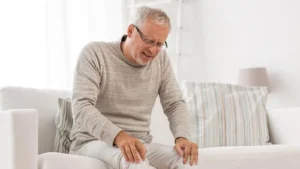
Pain in the elderly creates numerous physical limitations that directly impact their ability to maintain their homes. The aging process brings changes to the nervous system, including nerve degeneration and reduced conduction velocity, which contributes to increased pain sensitivity. Additionally, musculoskeletal changes such as decreased muscle mass and bone mineral loss make movement more challenging and painful.
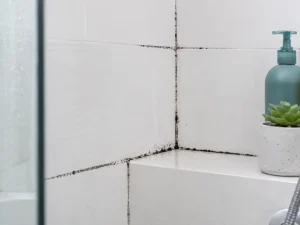
These physiological changes mean that routine cleaning activities become increasingly difficult. Bending to clean bathrooms or vacuum under furniture can trigger pain flares. Reaching overhead to dust or clean windows puts strain on already compromised joints. Lifting heavy items like vacuum cleaners or moving furniture becomes risky, potentially leading to injuries or falls.
The fear of falls during cleaning activities is particularly concerning for seniors with chronic pain in older adults. Research indicates that chronic pain increases fall risk, and the combination of pain, reduced mobility, and potentially hazardous cleaning tasks creates a dangerous situation. Many seniors avoid certain cleaning tasks altogether, leading to gradual deterioration of their living environment.
Beyond the physical challenges, there’s a significant psychological burden when seniors cannot maintain their homes to their previous standards. Chronic pain is highly correlated with depression and anxiety, affecting approximately 67% of individuals with persistent pain. The inability to keep a clean, organized home adds to feelings of helplessness and loss of independence, which can worsen both pain perception and mental health.
11 Effective Strategies for Managing Chronic Pain in Seniors
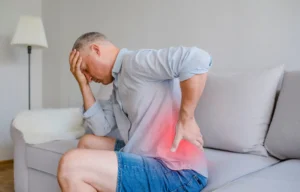
Chronic pain affects millions of older adults, significantly impacting their quality of life, mobility, and independence. Managing pain in seniors requires a comprehensive approach that addresses the unique challenges of aging while providing safe, effective relief.
11 evidence-based strategies that can help seniors better manage persistent pain are listed below.
1. Comprehensive Medical Evaluation
The foundation of effective pain management begins with thorough medical assessment. Seniors should work with healthcare providers to identify underlying causes, assess pain severity, and rule out serious conditions. This is particularly important for seniors with comorbid conditions like diabetes, which requires specialized diabetes care for older adults to ensure comprehensive health management. Regular evaluations help track progress and adjust treatment plans as needs change. A proper diagnosis ensures that pain management strategies target the specific source rather than just masking symptoms.
2. Multimodal Medication Management
Effective pain relief often requires combining different types of medications while carefully monitoring for interactions and side effects. Seniors may benefit from acetaminophen for mild pain, topical treatments for localized discomfort, and carefully prescribed anti-inflammatory medications. Healthcare providers must balance pain relief with the increased risk of adverse effects in older adults, often starting with lower doses and adjusting gradually.
3. Physical Therapy and Gentle Exercise
Structured physical therapy programs help seniors maintain mobility, strengthen muscles, and reduce pain through targeted exercises. Low-impact activities like swimming, tai chi, and gentle stretching can improve flexibility and reduce stiffness without placing excessive stress on joints. Regular movement, even in small amounts, helps prevent deconditioning and can significantly reduce pain levels over time.
4. Heat and Cold Therapy
Simple thermal therapies provide accessible pain relief for many seniors. Heat therapy through warm baths, heating pads, or warm compresses can relax muscles and improve circulation. Cold therapy using ice packs or cold compresses can reduce inflammation and numb acute pain. Alternating between heat and cold treatments can be particularly effective for certain types of pain.
5. Stress Management and Relaxation Techniques
Chronic pain and stress create a cycle that amplifies both conditions. Seniors can benefit from relaxation techniques such as deep breathing exercises, progressive muscle relaxation, and meditation. These practices help reduce muscle tension, lower stress hormones, and improve pain tolerance. Regular practice of relaxation techniques can lead to measurable improvements in pain levels and overall well-being.
6. Sleep Hygiene and Pain Management
Poor sleep intensifies pain perception, while pain often disrupts sleep quality. Seniors should establish consistent sleep routines, create comfortable sleeping environments, and address sleep disorders that may worsen pain. Proper mattress support, appropriate pillows, and maintaining regular sleep schedules can significantly improve both sleep quality and pain management outcomes.
7. Nutritional Support and Anti-Inflammatory Diet
Diet plays a crucial role in managing chronic pain, particularly inflammatory conditions. Seniors should focus on anti-inflammatory foods including fatty fish, leafy greens, berries, and nuts while limiting processed foods, excessive sugar, and trans fats. Adequate hydration and maintaining proper nutrition support overall health and can reduce inflammation that contributes to pain.
8. Social Support and Community Engagement
Isolation often worsens the experience of chronic pain. Seniors benefit from maintaining social connections, participating in support groups, and engaging in meaningful activities. Family support, peer connections, and community involvement provide emotional resources that help cope with pain challenges. Support groups specifically for chronic pain can offer practical strategies and emotional understanding.
9. Alternative and Complementary Therapies
Many seniors find relief through complementary approaches such as acupuncture, massage therapy, or chiropractic care. These therapies can be used alongside conventional treatments to provide additional pain relief. While evidence varies for different approaches, many seniors report meaningful improvements in pain and function when incorporating these therapies into their overall management plan.
10. Activity Pacing and Energy Conservation
Learning to balance activity with rest helps prevent pain flares and maintains function over time. Seniors should break large tasks into smaller segments, alternate between different types of activities, and recognize early signs of overexertion. Pacing strategies help maintain independence while preventing the boom-bust cycle that often worsens chronic pain.
11. Regular Monitoring and Treatment Adjustment
Chronic pain management requires ongoing attention and adjustment. Seniors should maintain regular communication with healthcare providers, track pain patterns and triggers, and be prepared to modify treatment approaches as conditions change. Regular reassessment ensures that pain management strategies remain effective and safe as health needs evolve.
Implementation and Success

Effective chronic pain management in seniors requires patience, persistence, and often a combination of several strategies. What works for one person may not work for another, making individualized approaches essential. Success comes from consistent application of chosen strategies, regular communication with healthcare providers, and willingness to adjust approaches based on results.
The goal isn’t necessarily to eliminate all pain but to reduce it to manageable levels while maintaining function, independence, and quality of life. With proper support and comprehensive management strategies, many seniors can achieve significant improvements in their pain experience and overall well-being.
Conclusion
Chronic pain can make even simple daily tasks challenging for seniors, and keeping the home clean is often one of the first things affected. However, a tidy, clutter-free space can ease physical strain, reduce the risk of falls, and create a more comfortable living environment.
For seniors dealing with ongoing pain, maintaining a clean home isn’t just about hygiene, it’s about health and peace of mind. That’s where our professional cleaning service comes in offering reliable, stress-free support tailored to their unique needs. And our specialized elderly care services are designed specifically to support seniors with chronic pain, ensuring their homes remain safe, clean, and comfortable while respecting their physical limitations.